Is it safe to bring my newborn home before I have recovered?
Early hospital discharge for new mothers is common, but postpartum risks like hypertension persist. Learn how postpartum remote monitoring helps ensure new mother safety at home.
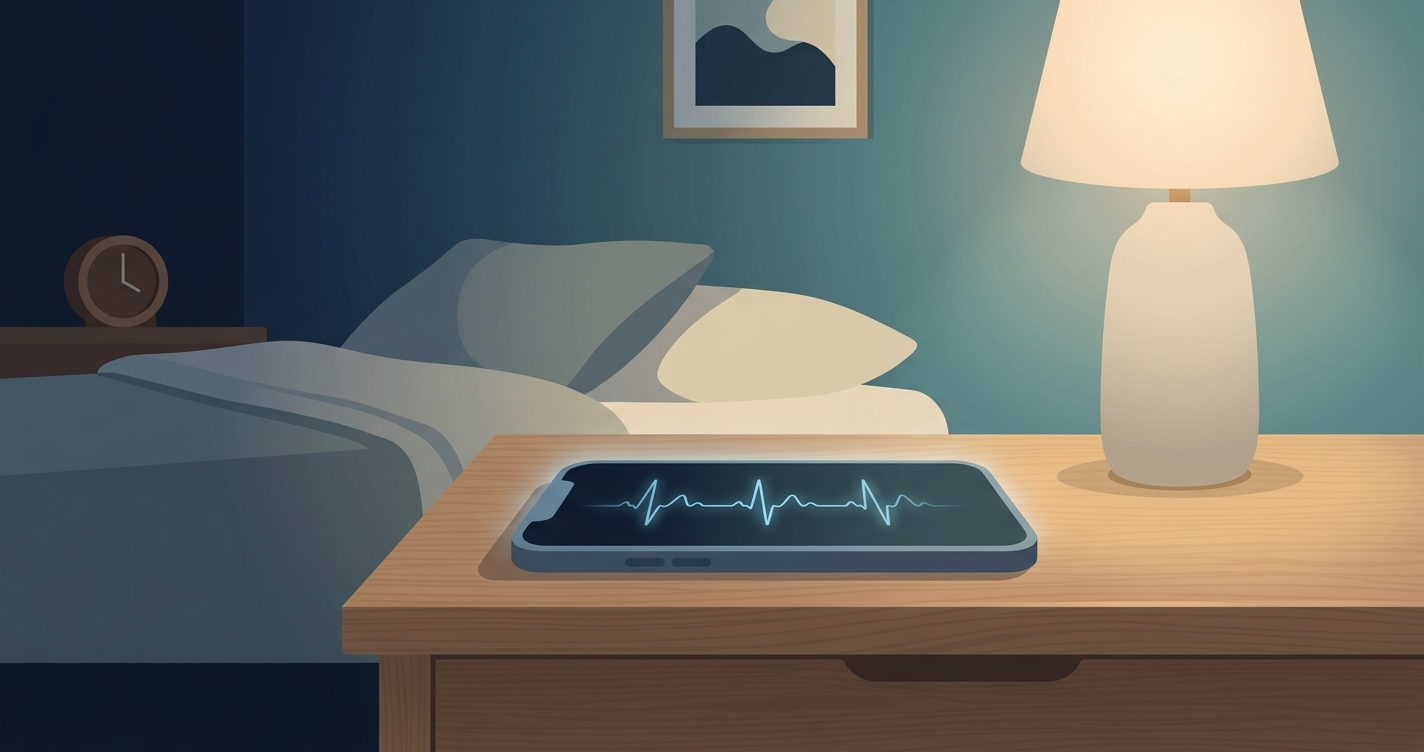
The transition from hospital to home with a newborn is a profound shift. For many new mothers, this period is also marked by an accelerated discharge timeline, leaving them to manage their own recovery while navigating the demands of a new baby. The question of safety is critical, as significant maternal health risks do not end at the hospital doors. In fact, for many, the most vulnerable period is just beginning. Effective postpartum remote monitoring for a new mother at home is emerging as a critical tool for health systems to bridge this gap, offering a layer of clinical oversight that can detect warning signs before they become emergencies.
"One-third of birth-related complications occur after the mother has been discharged from the hospital, with these complications occurring in Black patients at a rate 87% higher than in white patients."
- Blue Cross Blue Shield Association, "The Risks of Childbirth Persist Weeks After Patients Leave the Hospital" (2022)
The unseen risks of the fourth trimester
The weeks following childbirth, often called the "fourth trimester," are a period of significant physiological change and vulnerability. While the focus is often on the newborn, the mother's body is undergoing a complex recovery process. Early discharge protocols, while beneficial for family bonding and comfort, can place mothers at risk if not paired with adequate follow-up care. Complications such as postpartum hypertension, preeclampsia, infection, and hemorrhage can manifest days or even weeks after leaving the hospital.
Postpartum hypertension is a leading cause for readmission and a condition that requires diligent monitoring. However, the practical challenges for a new mother are immense. Juggling the needs of an infant, recovering from delivery, and managing sleep deprivation make it difficult to prioritize her own health, let alone travel to a clinic for a blood pressure check. This is the precise scenario where a system for postpartum remote monitoring for a new mother at home moves from a conceptual idea to a clinical necessity. By enabling daily, passive data collection, health systems can track trends and receive alerts for concerning readings without placing an additional burden on the patient.
| Feature | Traditional Postpartum Care | Cuff-Based Remote Monitoring | Contactless (Camera-Based) RPM | | :--- | :--- | :--- | :--- | | Data Collection | In-person at 1-2 follow-up visits. | Patient-initiated, multiple times daily. | Automated, passive scans via smartphone camera. | | Patient Burden | High (travel, scheduling, childcare). | Medium (must remember to test, use device correctly). | Low (minimal action required, no extra hardware). | | Data Frequency | Very low (2-3 data points total). | High (multiple readings per day). | High (can be initiated daily or as needed). | | Adherence Issues | Missed appointments are common. | Relies on patient compliance; device fatigue is a factor. | Removes friction, designed for high adherence. | | Logistics | Manual data entry in EMR. | Device shipping, setup, and retrieval required. | Software-only; no device logistics. |
Industry applications for postpartum monitoring
For health systems and care-at-home program directors, implementing remote monitoring for postpartum patients addresses several strategic priorities.
- Reducing Maternal Readmissions: By catching hypertensive spikes or other warning signs early, interventions can be deployed before a condition escalates to a point requiring re-hospitalization.
- Improving Health Equity: RPM can provide a crucial safety net for at-risk populations who may face barriers to traditional follow-up care, such as transportation, childcare, or time off work.
- Enhancing Care Team Efficiency: Automated data streams and alerts allow clinical teams to focus their attention on patients who are showing concerning trends, enabling management-by-exception and more efficient use of resources.
- Scaling Virtual Nursing Programs: Contactless RPM technology allows virtual nursing teams to support a larger patient panel by removing the logistical overhead of managing physical devices.
Current research and evidence
The evidence supporting remote monitoring in the postpartum period is robust and growing. While much of the foundational research is based on traditional cuff-based devices, it establishes a clear precedent for the clinical value of at-home monitoring.
A significant 2022 study published in JAMA Network Open involving over 2,000 postpartum patients found that those in a remote blood pressure monitoring program were significantly more likely to submit at least one blood pressure reading in the first 10 days after discharge compared to those receiving usual care. Another study led by researchers at the University of Pittsburgh and UPMC Magee-Womens Hospital demonstrated that a remote monitoring program for postpartum hypertension successfully reduced readmissions.
These studies, along with trials like the POP-HT and the ongoing SMART Postpartum BP trial in the US, confirm that remote monitoring is an effective strategy. The primary operational challenge that remains is patient adherence. The logistical burdens of device-based programs, from initial setup to the daily requirement for patients to stop, find their cuff, and take a reading, can lead to compliance gaps, which is precisely where new technology aims to innovate.
The future of postpartum care: contactless monitoring
The future of postpartum remote monitoring for a new mother at home lies in reducing patient friction to near zero. Contactless, camera-based technology represents this next evolution. By using the smartphone that patients already own, health systems can deploy sophisticated monitoring programs without the logistical complexity of shipping, managing, and retrieving physical devices.
This software-only approach allows a new mother to capture her vital signs, including blood pressure, heart rate, and respiratory rate, simply by looking at her phone's camera for a brief period. The process is intuitive and can be integrated into a daily routine with minimal disruption. For a health system, this eliminates the significant costs and staffing requirements associated with device logistics and troubleshooting, making the care model highly scalable. It shifts the paradigm from asking a new mother to manage a medical device to providing a seamless, software-based tool that fits into her life.
Frequently asked questions
Q: How can a phone camera measure vital signs like blood pressure? A: The technology is known as remote photoplethysmography (rPPG). The smartphone's camera detects subtle, otherwise invisible changes in the color of the skin on your face, which correspond to the blood flow patterns from your heartbeat. Advanced algorithms and signal processing then translate this data into vital sign measurements.
Q: Is this type of monitoring meant to replace visits to the doctor? A: No. Remote patient monitoring is a tool to extend the care team's visibility between office visits. It provides a more complete picture of a patient's recovery, allowing for more timely and informed clinical decisions, but it does not replace in-person consultations or emergency care.
Q: What if I have a concerning reading? A: RPM platforms are designed to alert the hospital's clinical care team if a reading falls outside of the safe parameters set by your doctor. A nurse or other provider would then follow up with you directly according to the program's protocol.
The transition to home should be a time of bonding, not anxiety. As health systems expand their virtual care and hospital-at-home capabilities, innovative solutions are needed to ensure the safety of new mothers. Circadify is at the forefront of developing contactless monitoring technology that removes the compliance barriers of traditional devices, making it easier for providers to deliver essential postpartum oversight. To learn more about implementing a scalable, software-first remote monitoring solution, explore our RPM pilot program at circadify.com/solutions/remote-patient-monitoring.