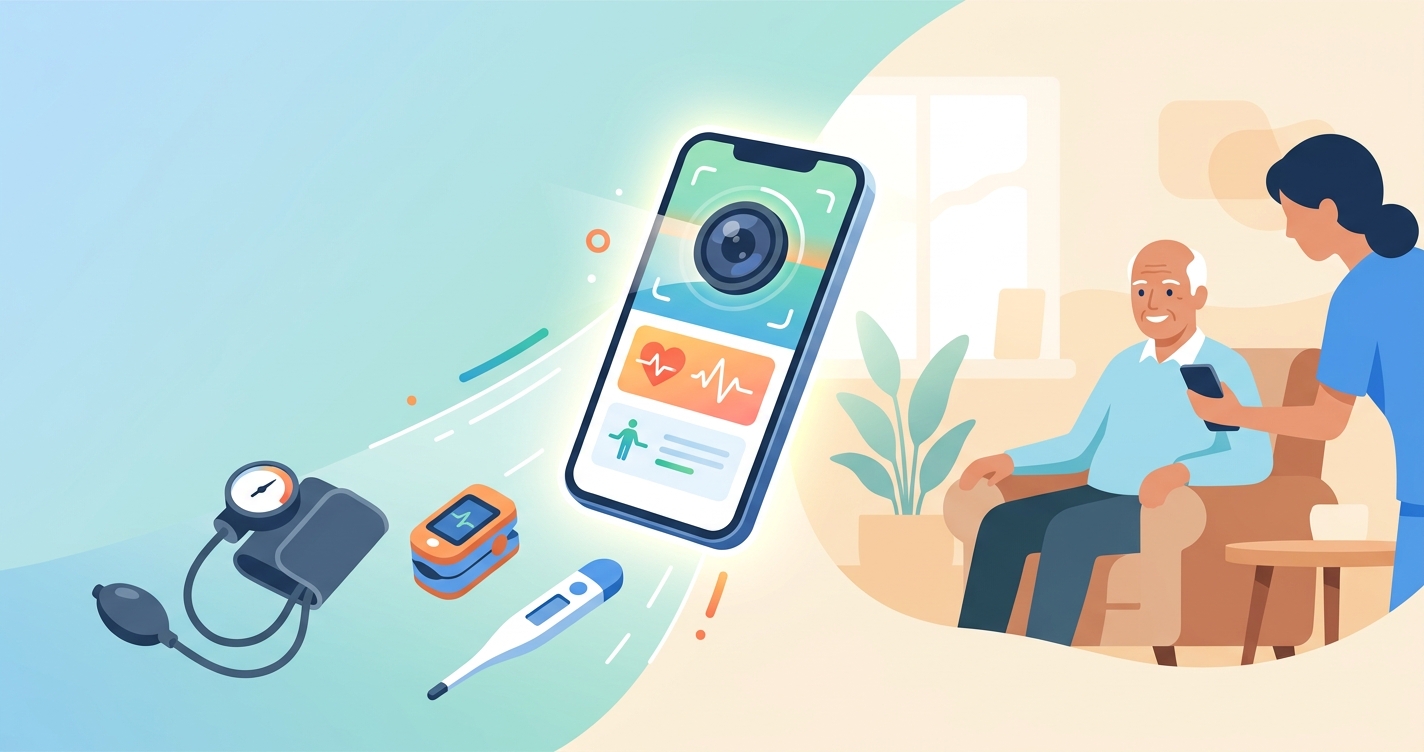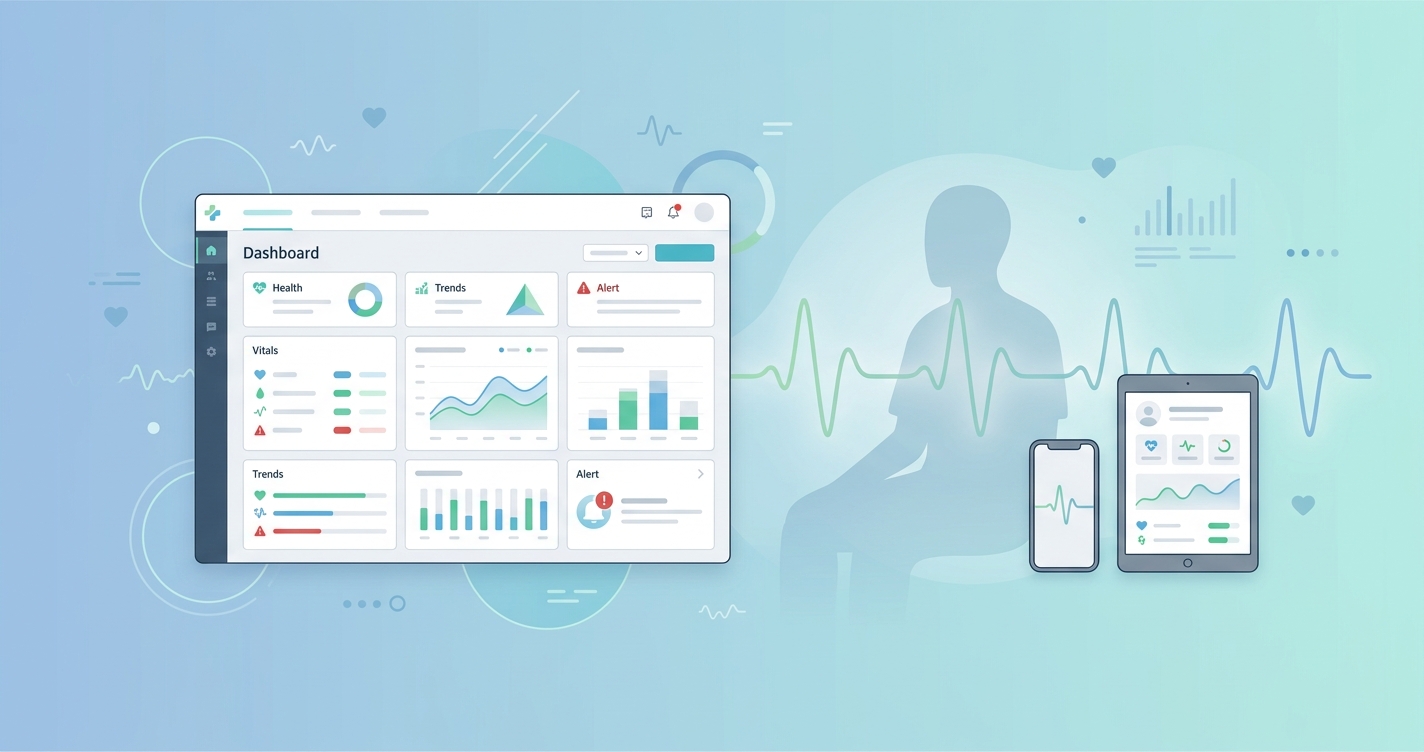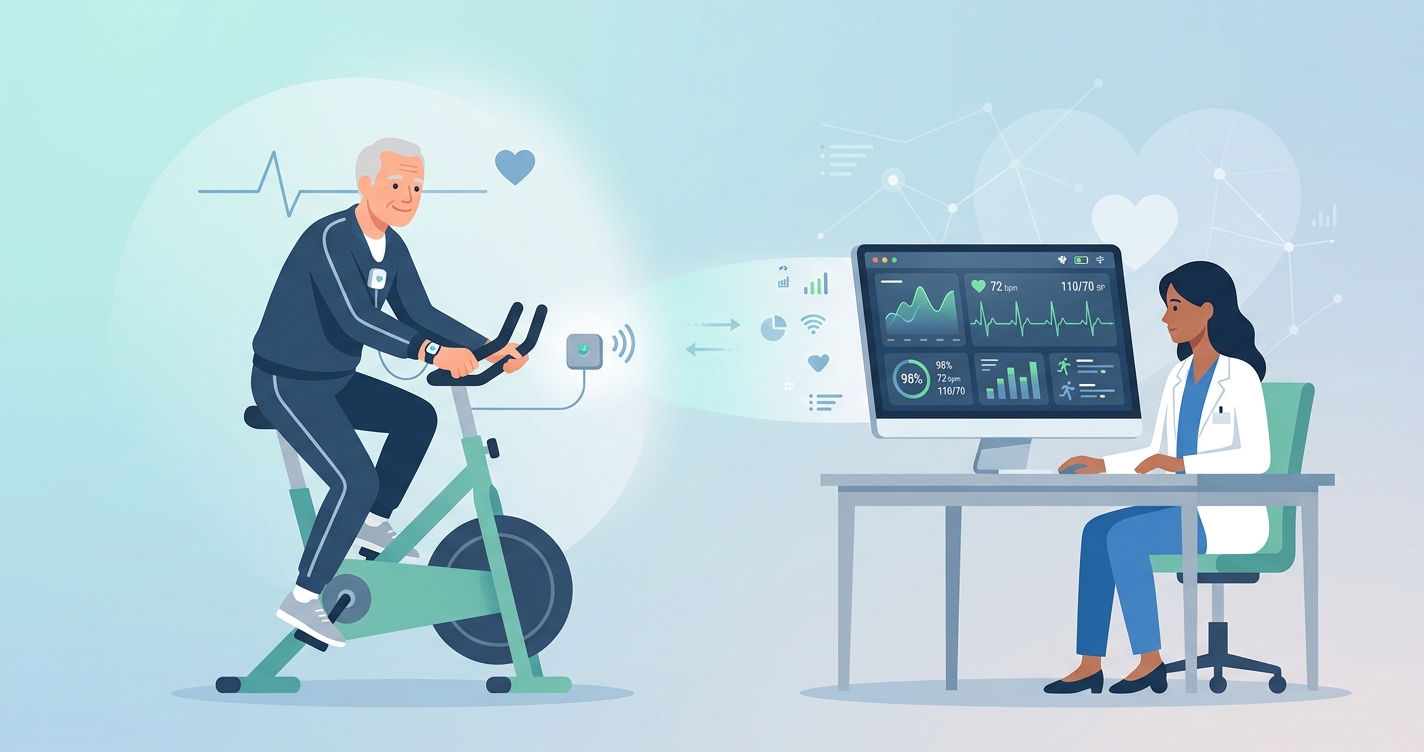
Camera RPM vs Pulse Oximeter Kits: Which Reaches More Patients
Evaluate the operational differences between traditional hardware kits and contactless vital signs. Compare reach, cost, and patient adherence models.
Insights on health technology, vitals monitoring, and wellness from the TryCareScan team.

Evaluate the operational differences between traditional hardware kits and contactless vital signs. Compare reach, cost, and patient adherence models.

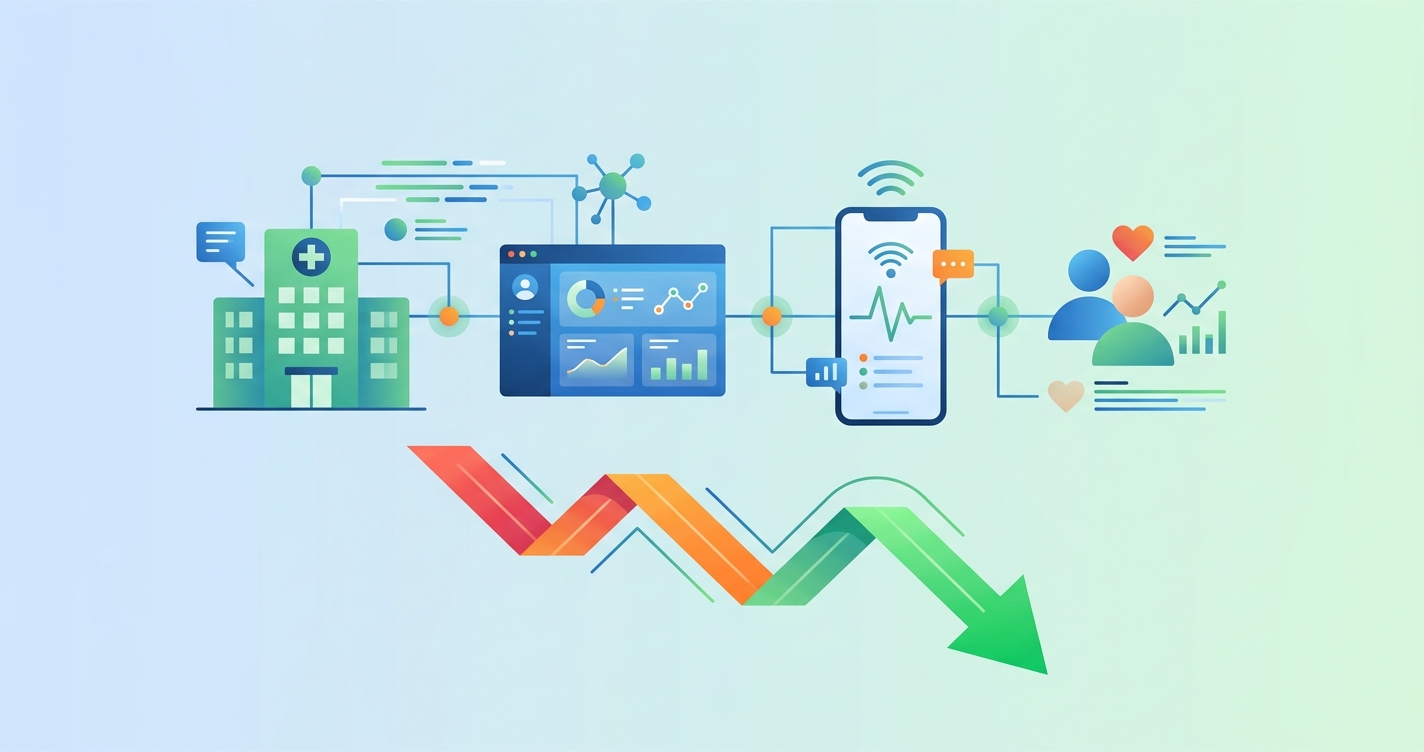
Learn how health systems reduce readmissions with remote monitoring by using contactless camera-based technology to eliminate wearable compliance issues.

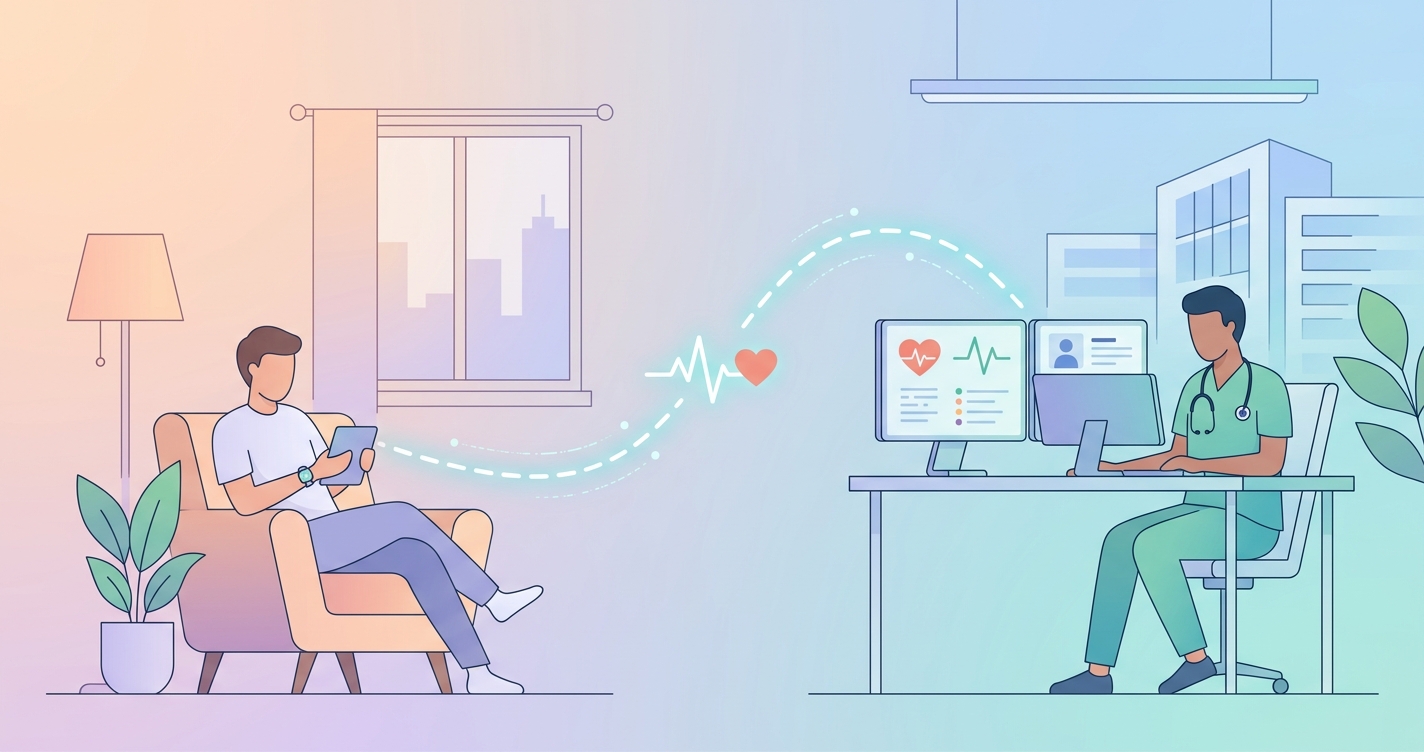
Patient monitoring without devices uses cameras and ambient sensing to track vitals at home, removing the logistics, inventory, and adherence problems of wearables.

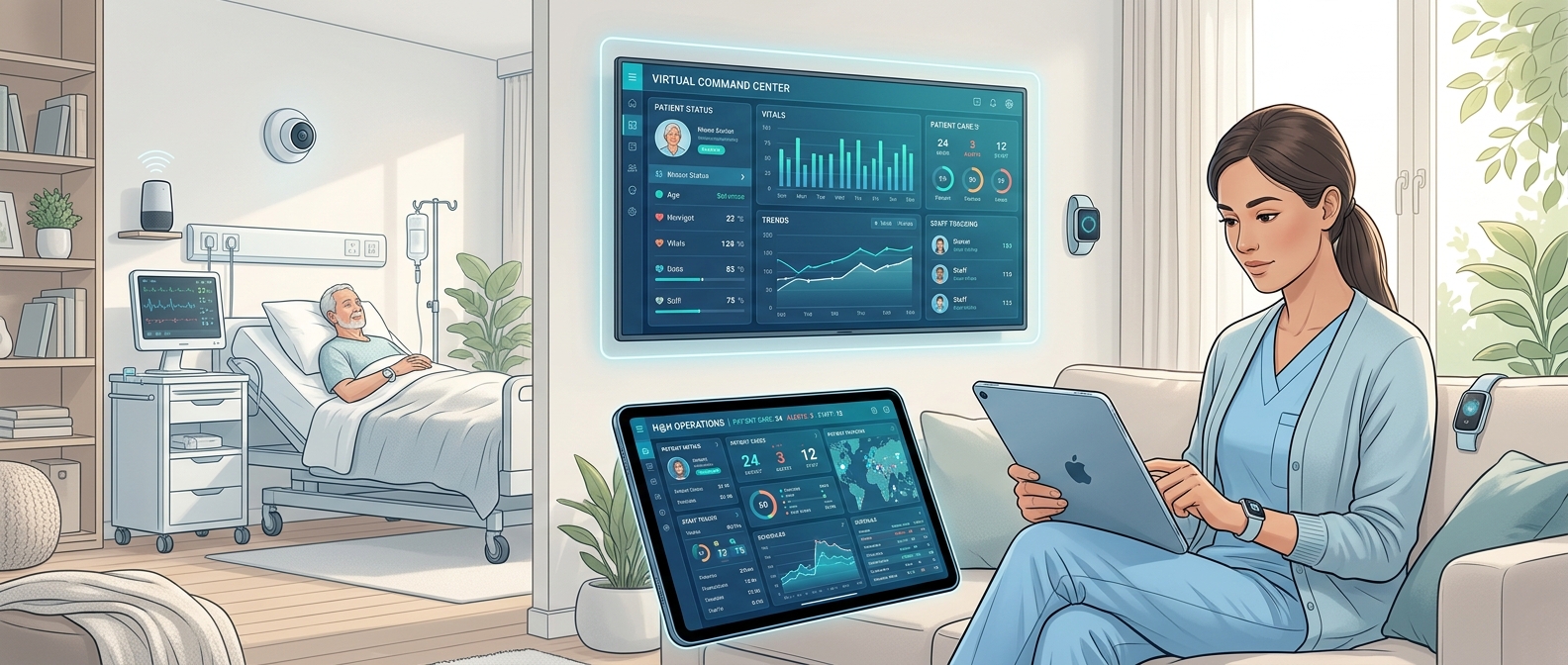
How virtual nursing technology stretches thin nursing staff, improves patient checks, and helps hospital CMOs plan a remote nursing rollout that works.

A commercial roundup of hospital at home vital signs tools for health systems, comparing wearables, Bluetooth kits, and contactless camera-based remote vitals tracking.

A head-to-head comparison of a contactless RPM platform versus wearable kits on cost, accuracy, and patient adherence for population health leaders.

RPM no wearable explained for hospital CMOs: how camera-based monitoring captures vital signs without devices, and why it solves wearable compliance problems.

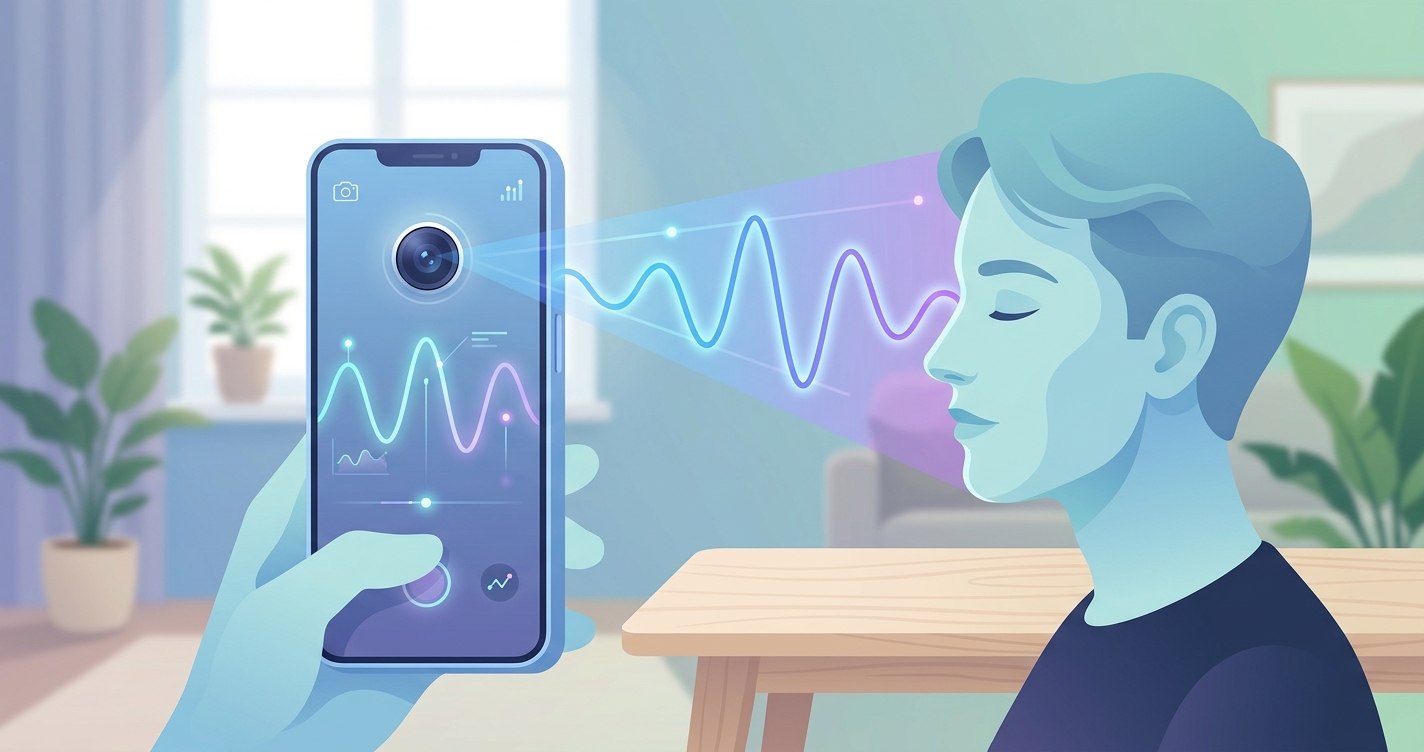
How a remote patient monitoring camera reads vital signs at home in 2026, the science behind contactless measurement, and what care-at-home leaders should know.

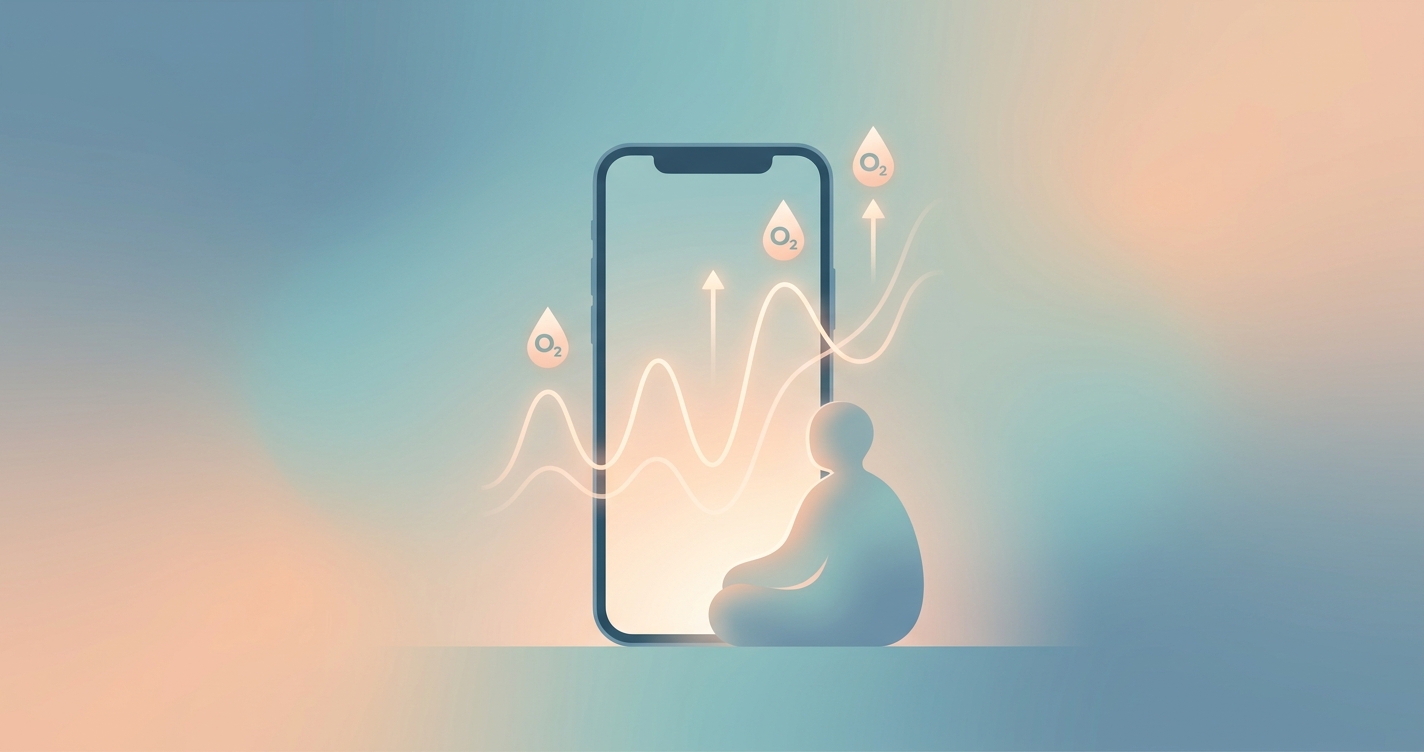
How a remote patient monitoring camera can flag falling blood oxygen before symptoms turn severe, and what that means for preventive population health programs.

How a contactless RPM platform turns daily vitals into longitudinal trends, helping hospital teams spot decline early and intervene before readmission.

How patient monitoring without devices lets hospital-at-home programs scale, cut logistics costs, and keep more patients engaged through everyday cameras.
How remote hospital at home vital signs monitoring gives care teams daily proof of recovery progress without sending a nurse to the door every day.

How RPM with no wearable enables 24/7 passive overnight monitoring of fever and deterioration to help population health teams reduce adverse events at home.

How a remote patient monitoring camera turns an existing smartphone into a vital-signs tool, and why simplicity drives patient adoption in care-at-home programs.

An evidence review of hospital at home vital signs monitoring, comparing wired inpatient telemetry with contactless tools for safety, satisfaction, and recovery.

How virtual nursing technology lets a single nurse check on patients many times a day, and what it means for hospital staffing and care-at-home programs.

How a contactless RPM platform spots early physiological changes days before symptoms appear, and what that means for population health and preventative care.

How contactless, camera and radar-based patient monitoring without devices lets hospitals track breathing overnight with no wearable, no straps, and no sleep disruption.

How activity monitoring without wearables lets care teams track post-operative mobility at home using cameras and ambient sensing instead of straps and bands.

How dizziness monitoring without devices works through camera-based RPM, what the evidence shows, and what population health leaders should know before piloting.

How a heart rate monitor no contact works overnight: passive camera, radar, and bed-sensor methods for continuous vitals in hospital-at-home programs.

How early illness detection from home works: the physiological signals that shift before symptoms appear, and what contactless RPM means for readmission prevention.

What 24/7 remote monitoring home really means for solo patients, and how care-at-home teams design virtual nursing coverage that is continuous in practice.

How fall detection without wearables works in hospital-at-home programs, what the evidence shows, and what CMOs should weigh when evaluating passive RPM.

How post-surgery monitoring without devices works: camera-based RPM lets care teams track surgical recovery at home with no wearables, cuffs, or wires.

How sleep monitoring without wearables lets hospitals track patient rest passively. A research view for population health teams on contactless RPM and well-being.

A research-style look at the temperature check remote camera model now used in hospital-at-home programs, and what it means for contactless vital signs.

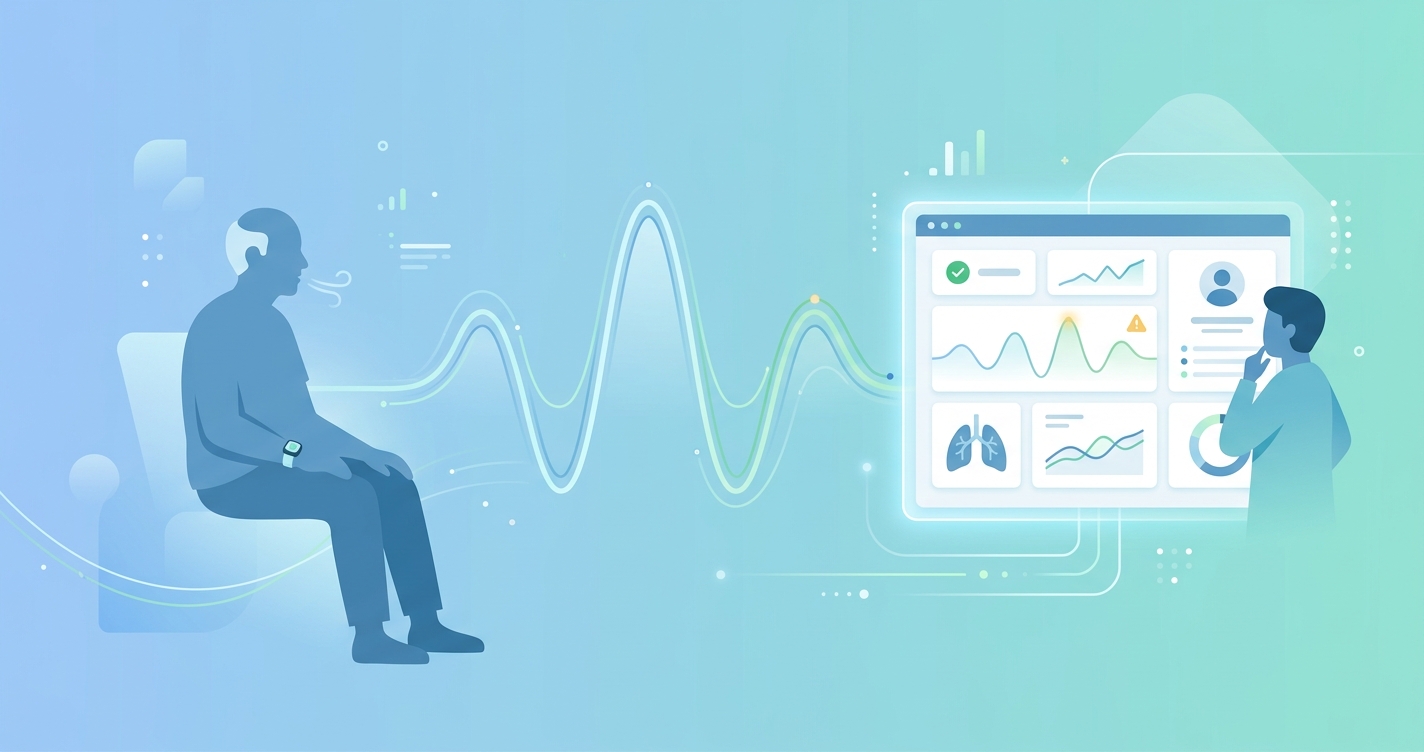
How a breathing monitor without devices works: the camera science, accuracy evidence, and what contactless respiratory RPM means for health systems.

Early hospital discharge for new mothers is common, but postpartum risks like hypertension persist. Learn how postpartum remote monitoring helps ensure new mother safety at home.

For patients recovering at home, it is difficult to know if a bad reading is an emergency. RPM triage and clinician escalation can help prevent unnecessary ER visits.

Patients often feel a drop in support after leaving the hospital. We explore this 'post-discharge abandonment' and how RPM offers a new model for transition of care.

Learn why many seniors refuse monitoring devices and how no-wearable, camera-based technology can help by removing the friction of traditional remote care.

For health systems, ensuring patient safety after discharge is a 24/7 responsibility. Explore how alert-based virtual nursing and camera-based RPM provide continuous overnight monitoring.

Device-free remote patient monitoring (RPM) is moving from a theoretical concept to an operational reality for health systems managing recovery at home.

Explore the science and application of camera-based remote patient monitoring for tracking vital signs at home without wearables, a key technology for scaling virtual care.

Explore how remote patient monitoring (RPM) technology can prevent hospital readmissions by detecting early warning signs before they become critical emergencies.

Explore the rise of RPM without wearables. Learn how contactless technologies offer a new model for patient monitoring, improving adherence and reducing logistical burdens.

For patients living alone, recovering from a hospital stay can be daunting. Learn how remote patient monitoring provides a crucial safety net for independent recovery.

Health systems are adopting contactless RPM platforms to monitor patients remotely without the logistical burden of hardware, using patients' own devices for data.

Explore how virtual nursing technology is transforming post-surgery recovery, allowing hospital care teams to monitor vital signs and patient progress remotely.

For health systems, the caregiver question of 'is my parent recovering okay?' represents a critical gap in post-discharge visibility. This analysis explores how technology can provide objective answers.

For COPD patients at home, a drop in oxygen (SpO2) can be silent and dangerous. Learn how home oxygen monitoring technology flags falling trends to prevent emergencies.

A growing number of health systems are offering hospital-at-home programs for acute conditions. Learn how they work and what the clinical evidence says about their safety.

Explore the strategic shift towards remote monitoring after discharge, its role in population health, and how it reduces hospital readmissions.

An analysis of Medicare and private payer reimbursement for remote patient monitoring (RPM) services, helping patients and providers understand the shifting financial landscape.

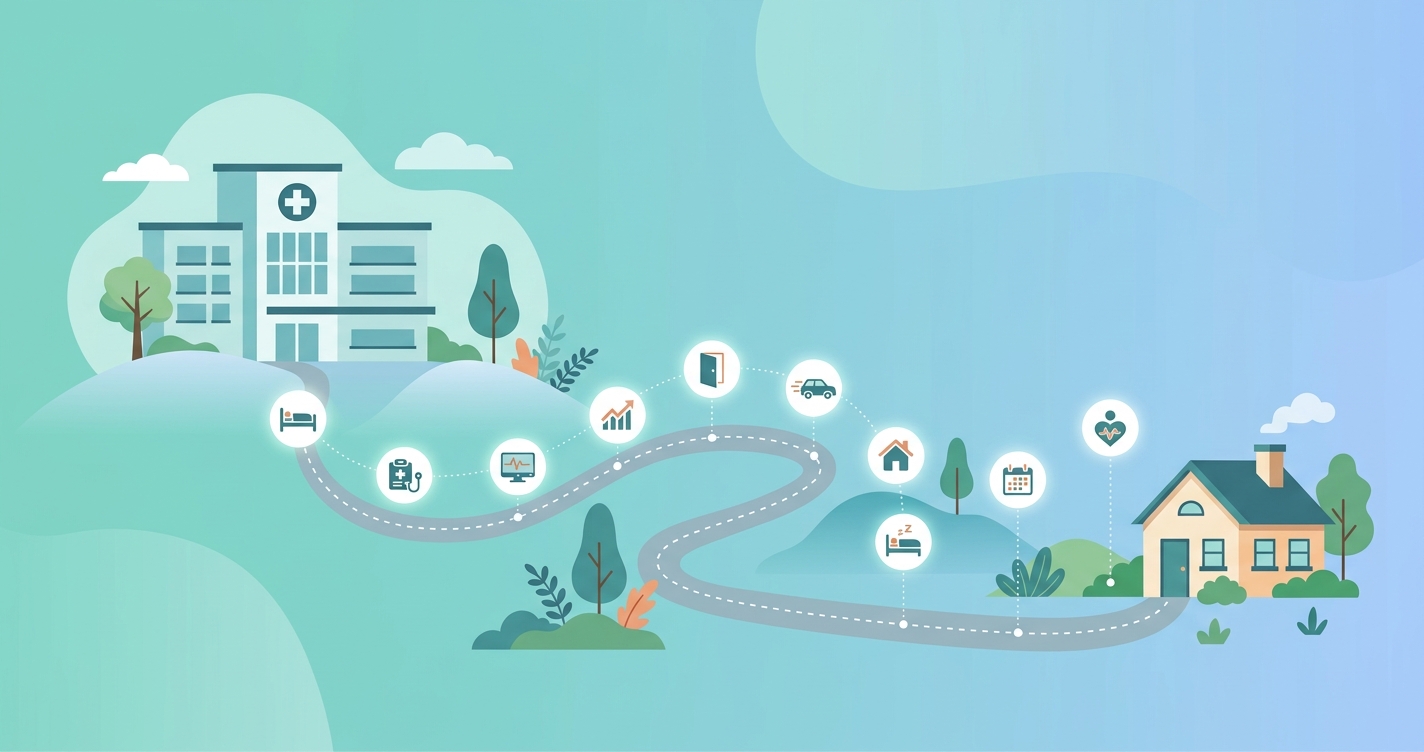
Explore the shift to remote patient monitoring for post-discharge care. Learn how hospitals use technology to reduce readmissions and improve patient outcomes.

Understand the hospital check RPM data frequency. Learn how and when clinical teams review your remote patient monitoring data for your health and safety.

Explore why hospital-at-home is the fastest-growing care model for 2026, driven by patient preference, new technology, and strong clinical outcomes.

Explore the comparison between remote patient monitoring and traditional bedside nursing. Understand how technology is complementing, not replacing, essential healthcare roles.

A research-based look at whether remote patient monitoring (RPM) can truly prevent hospital readmissions, examining the latest evidence, studies, and data.

Can your smartphone camera really replace a dedicated heart monitor after surgery? Explore the science behind camera-based monitoring and its clinical applications.

Learn how to monitor your post-discharge recovery from home. Understand how remote patient monitoring helps you and your care team know if your recovery is on track without a doctor visit.

A detailed look into how hospitals monitor patients at home, the privacy risks involved, and the regulations in place to protect your health information.

Your doctor may ask for a daily face scan to monitor your recovery remotely. Learn about the science behind camera-based vital signs and why it's a key part of modern healthcare.

How hospitals monitor patients at home after discharge, with research on remote patient monitoring, readmissions, hospital-at-home models, and caregiver burden.

Research-based analysis of how payer-provider RPM partnerships lower total cost of care through shared incentives, earlier intervention, and lower inpatient use.

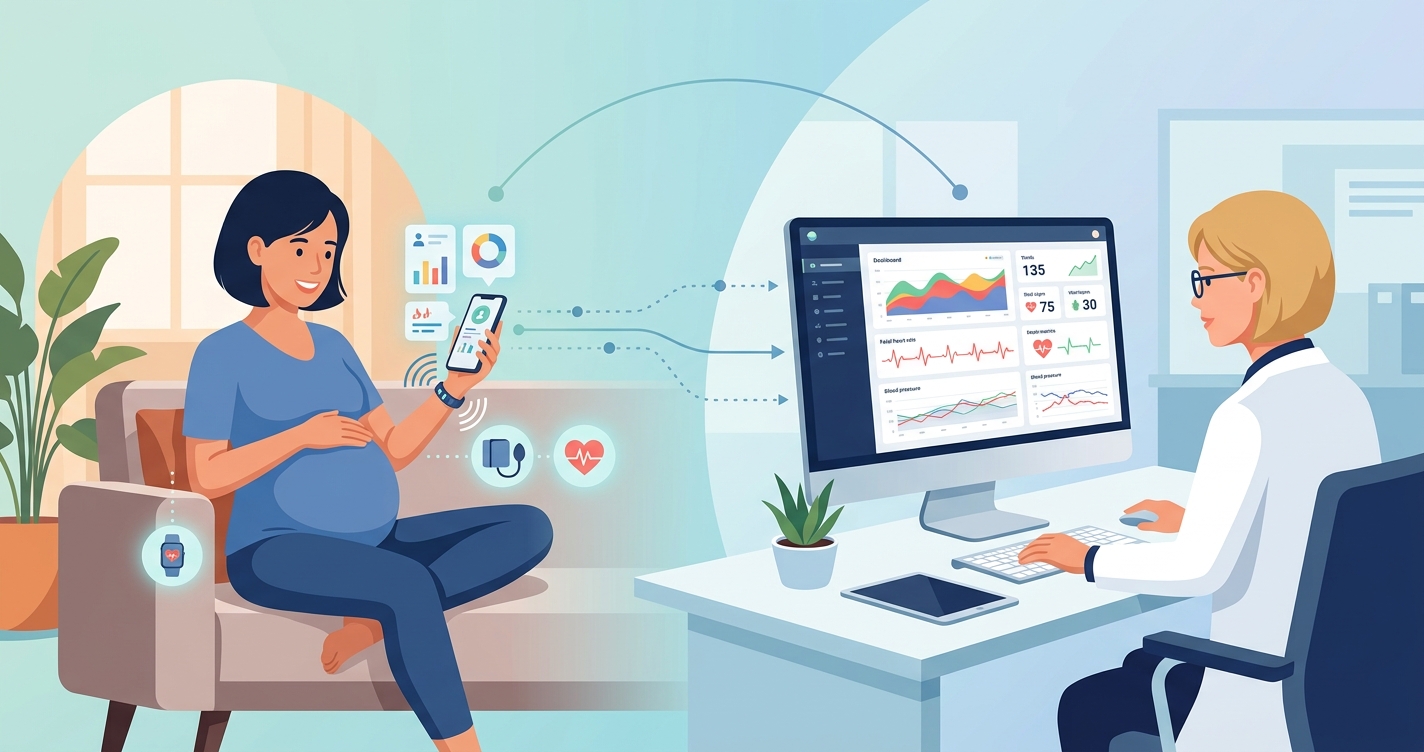
A research-based look at RPM maternal health high risk pregnancy monitoring, with evidence on hypertensive disorders, engagement, workflow design, and care access.

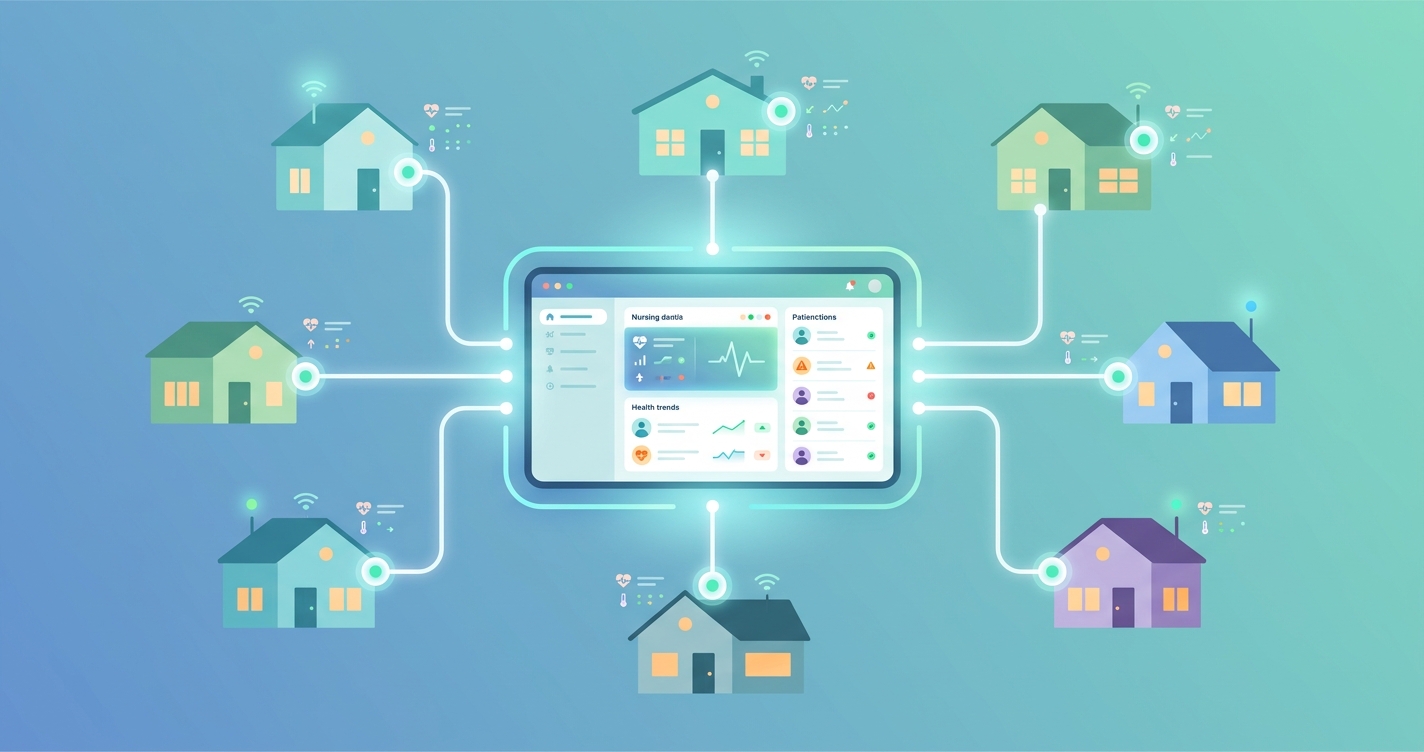
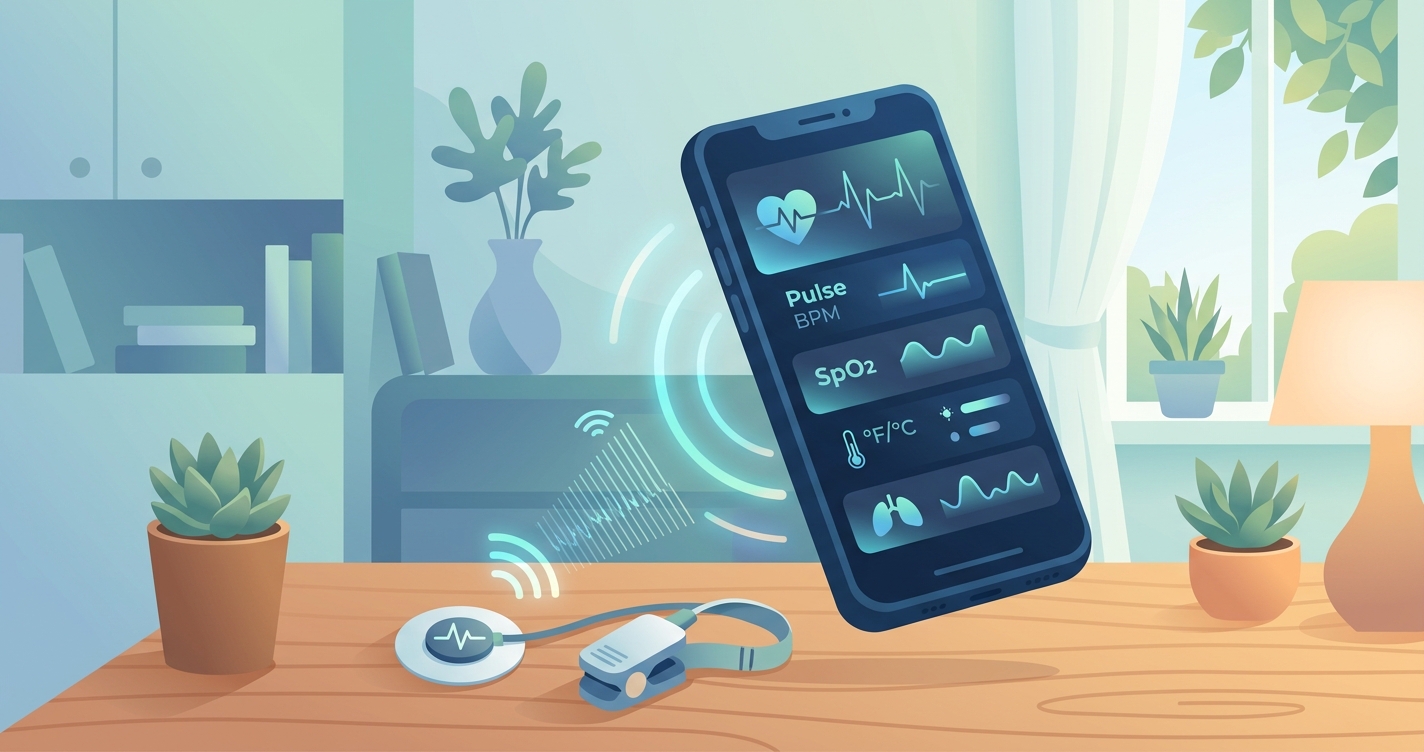
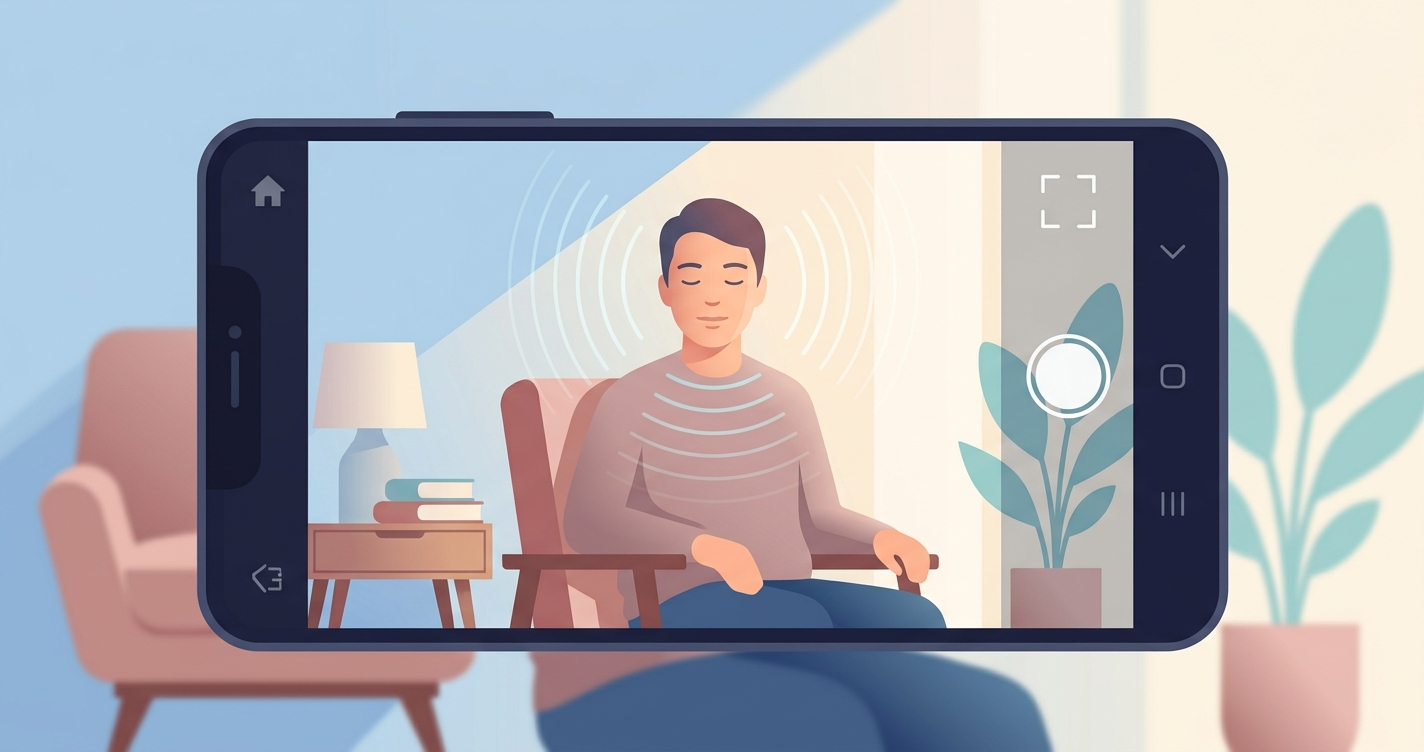
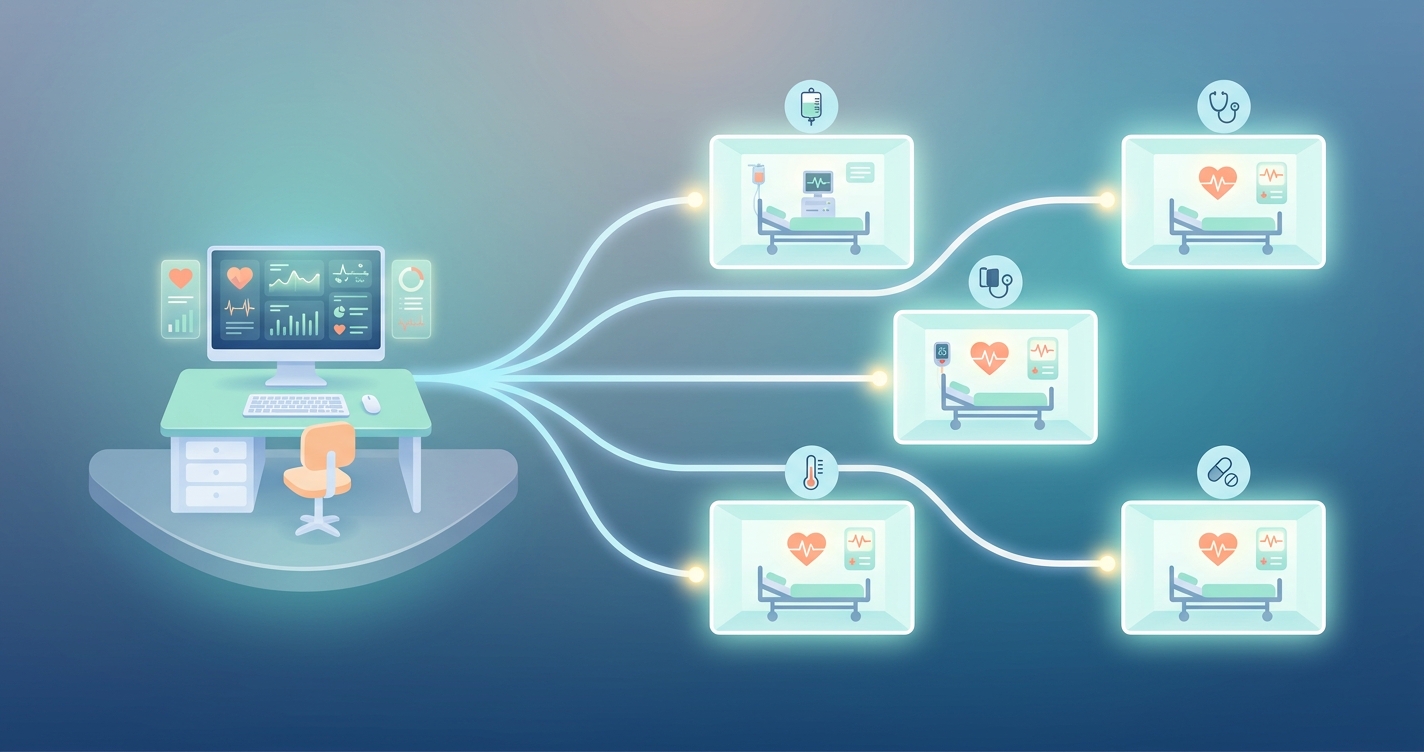
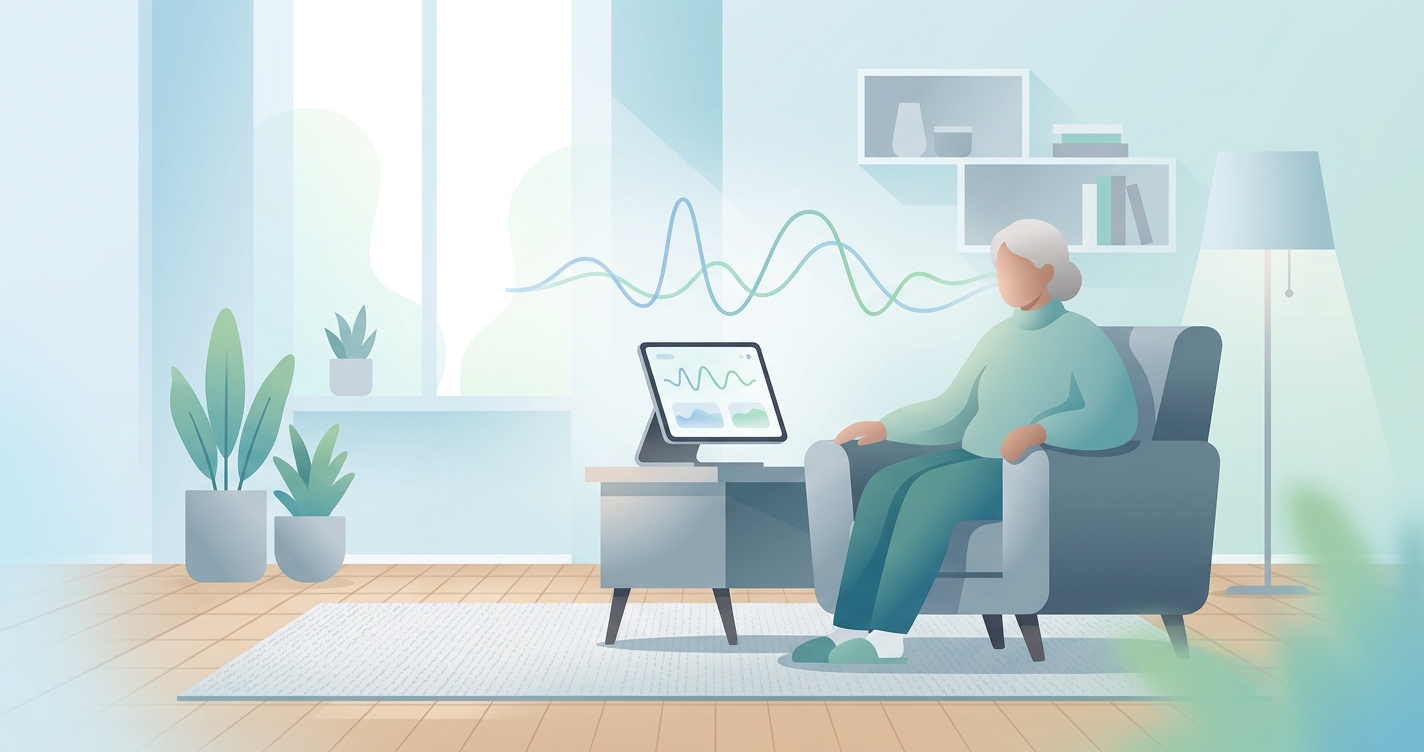
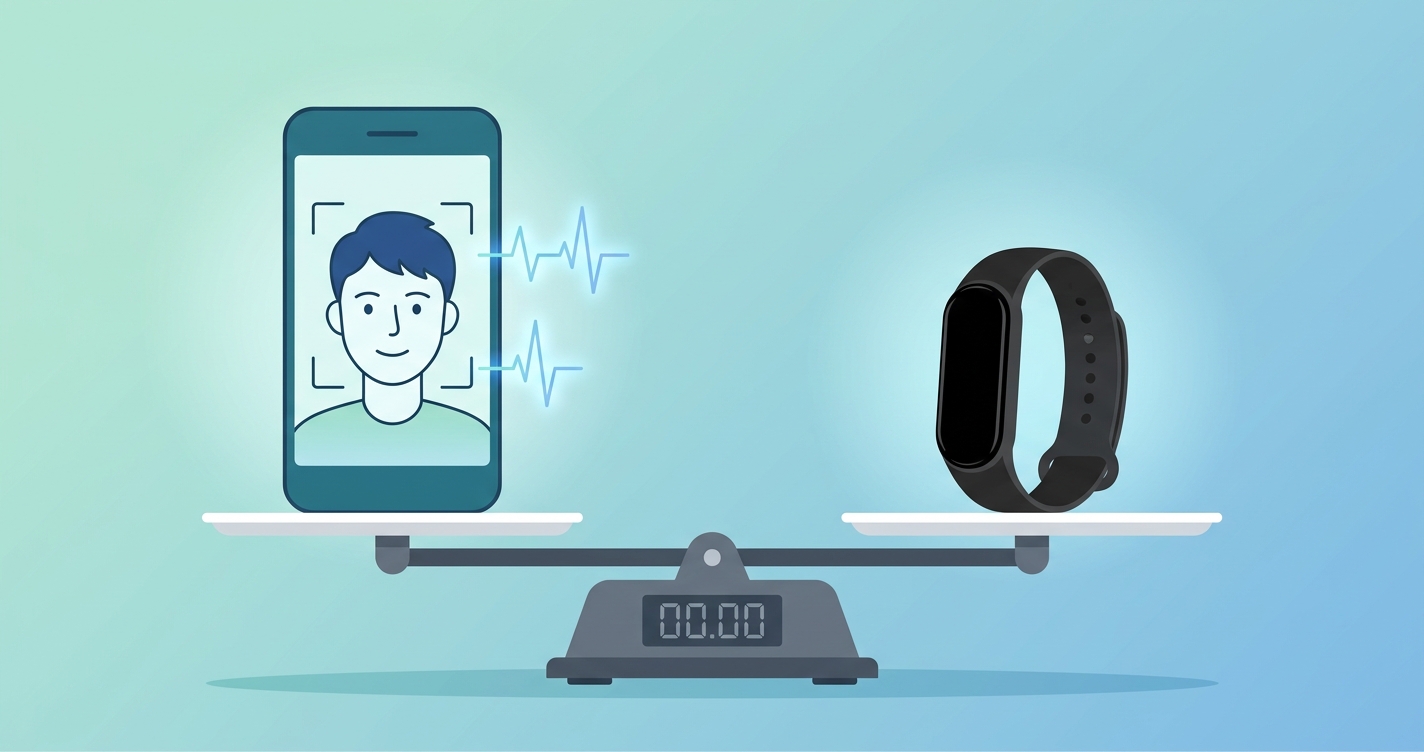
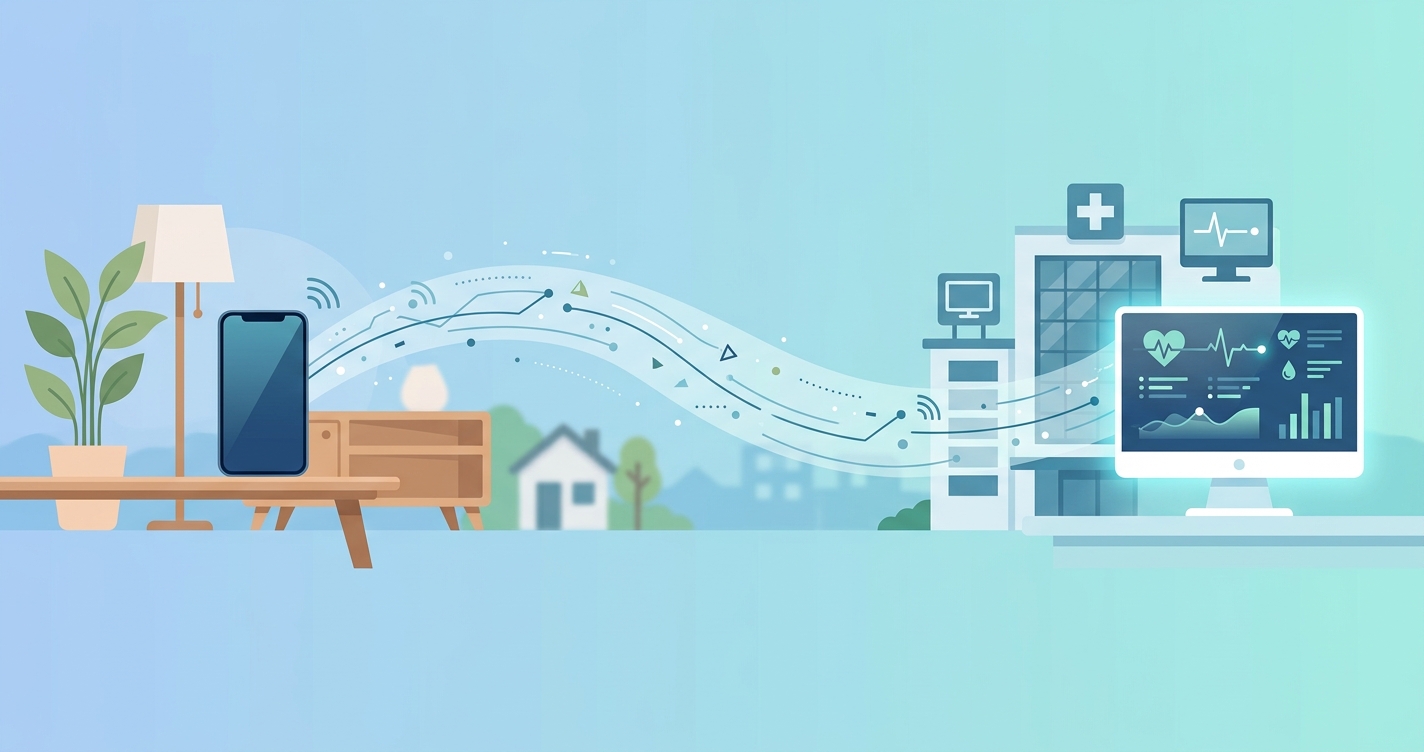
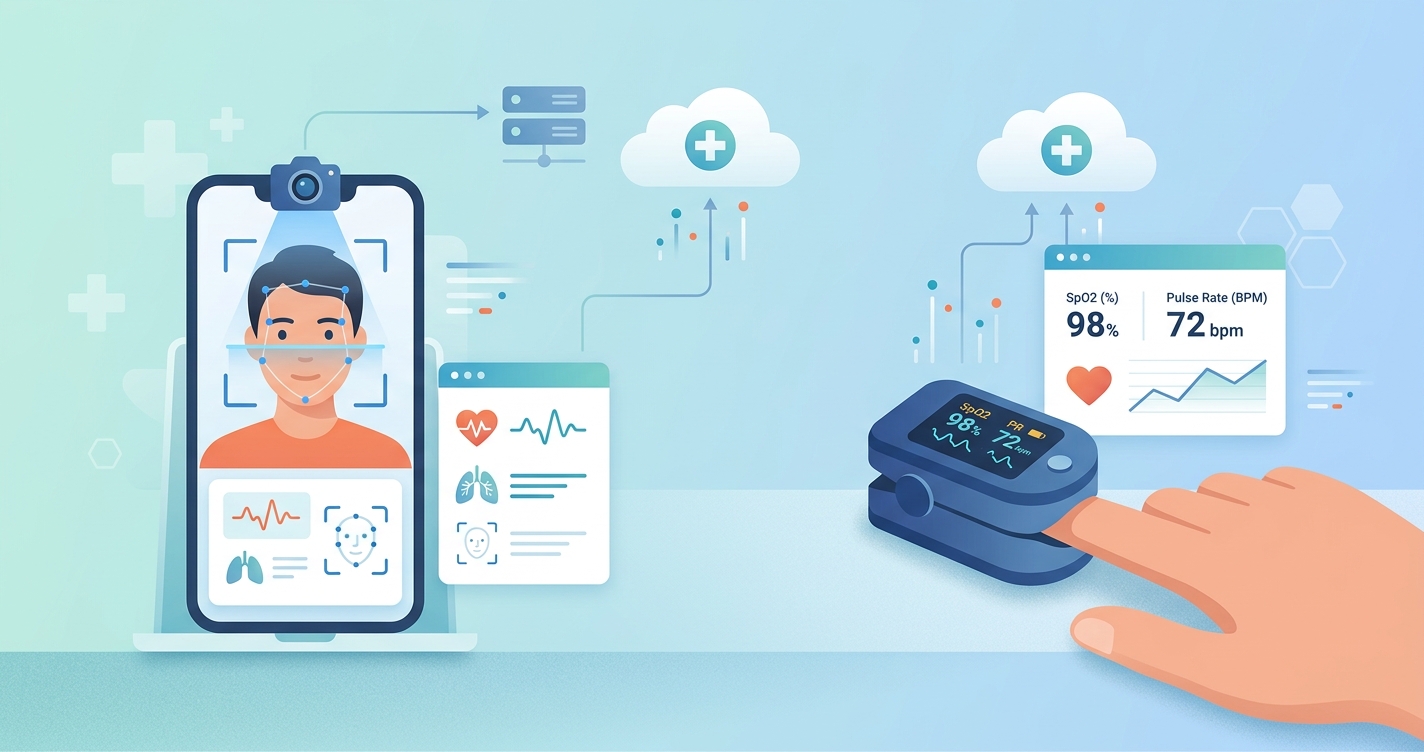
A research-based look at camera RPM vs pulse oximeter programs, with the real tradeoffs in adherence, signal quality, workflow burden, and health system scale.

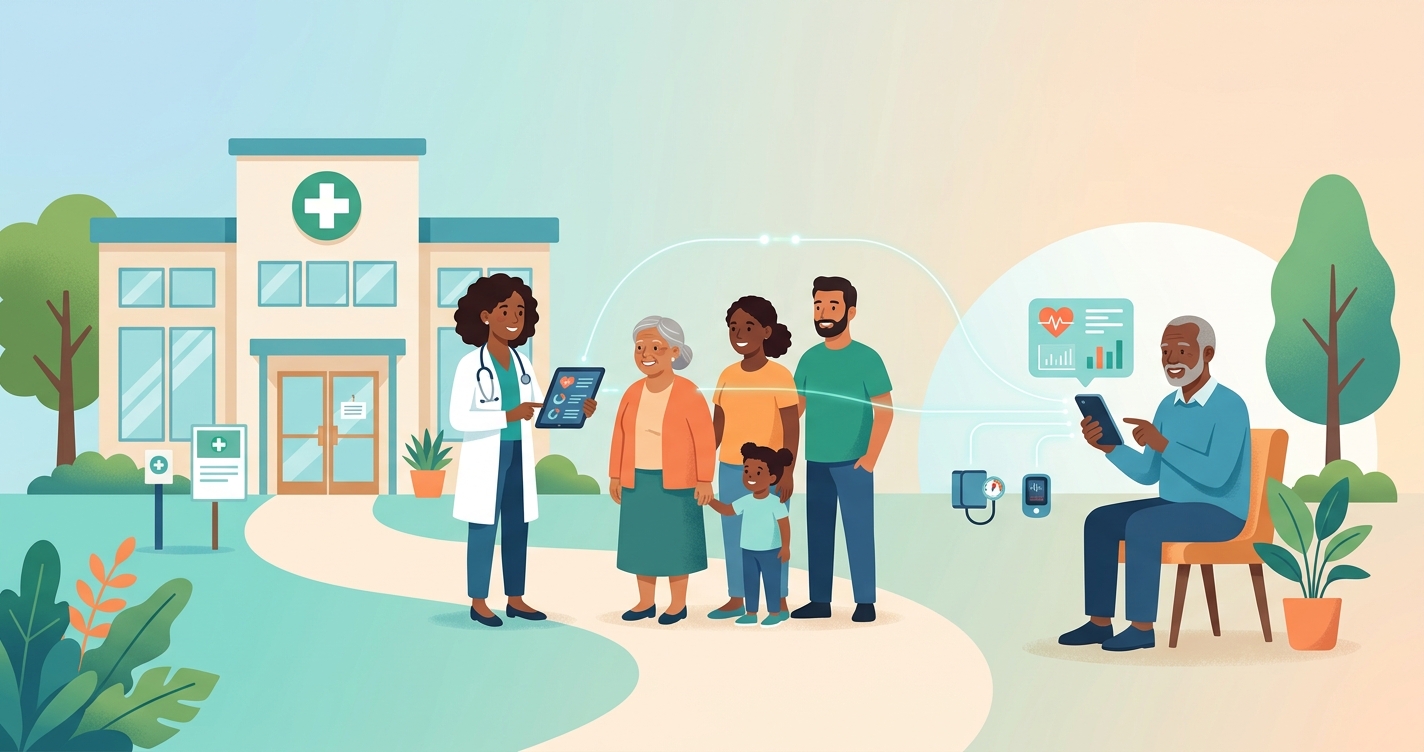
Research-based analysis of how FQHC remote patient monitoring supports underserved populations through lower-friction chronic care, outreach, and continuity.

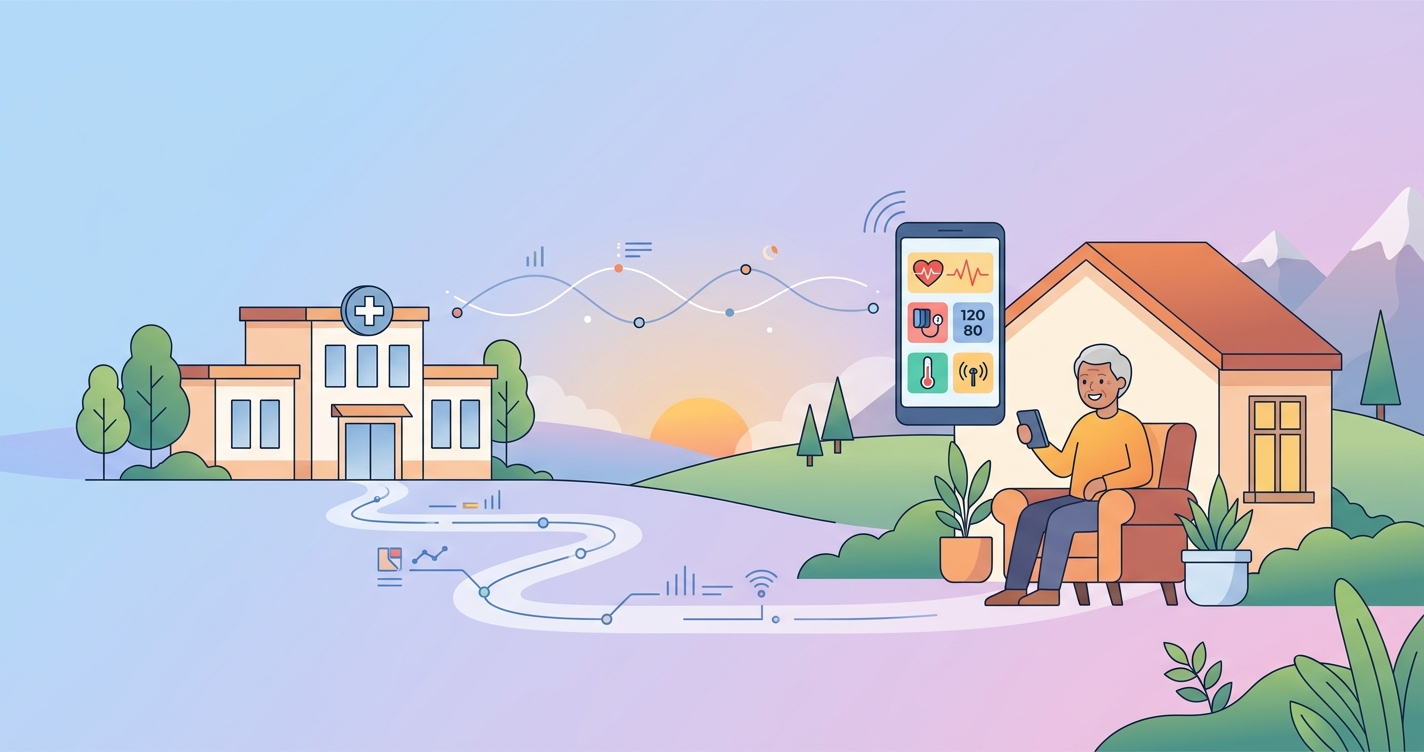
Research-based analysis of how rural hospitals use RPM to extend specialist access, support hospital-at-home models, and keep care closer to home.

Research-based analysis of how health systems reduce RPM device attrition with camera-based monitoring, simpler onboarding, and lower hardware burden.

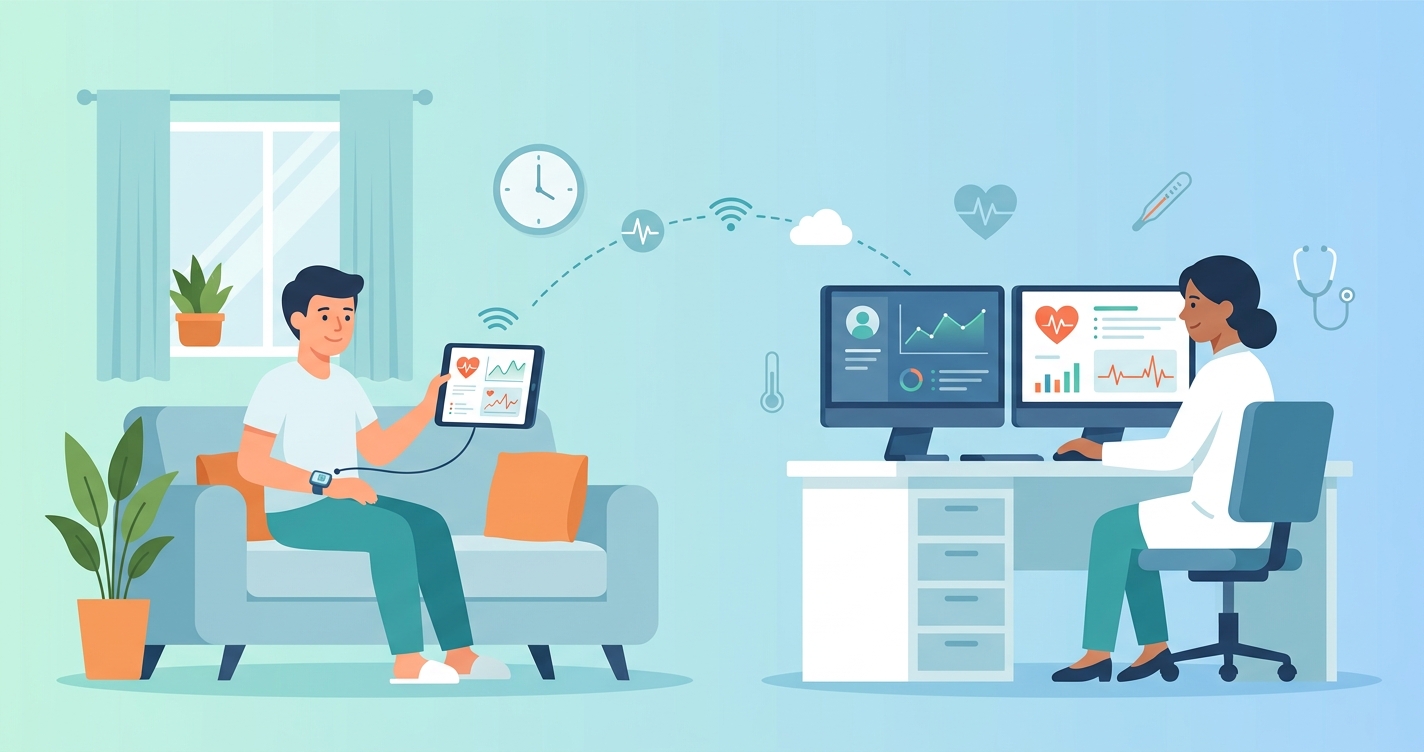
A practical guide to scaling hospital-at-home programs by reducing device burden, centralizing coordination, and using lower-friction RPM workflows instead of adding logistics headcount.

A research-based analysis of RPM for COPD management, showing how remote vitals programs can detect deterioration earlier and reduce exacerbation-driven admissions.

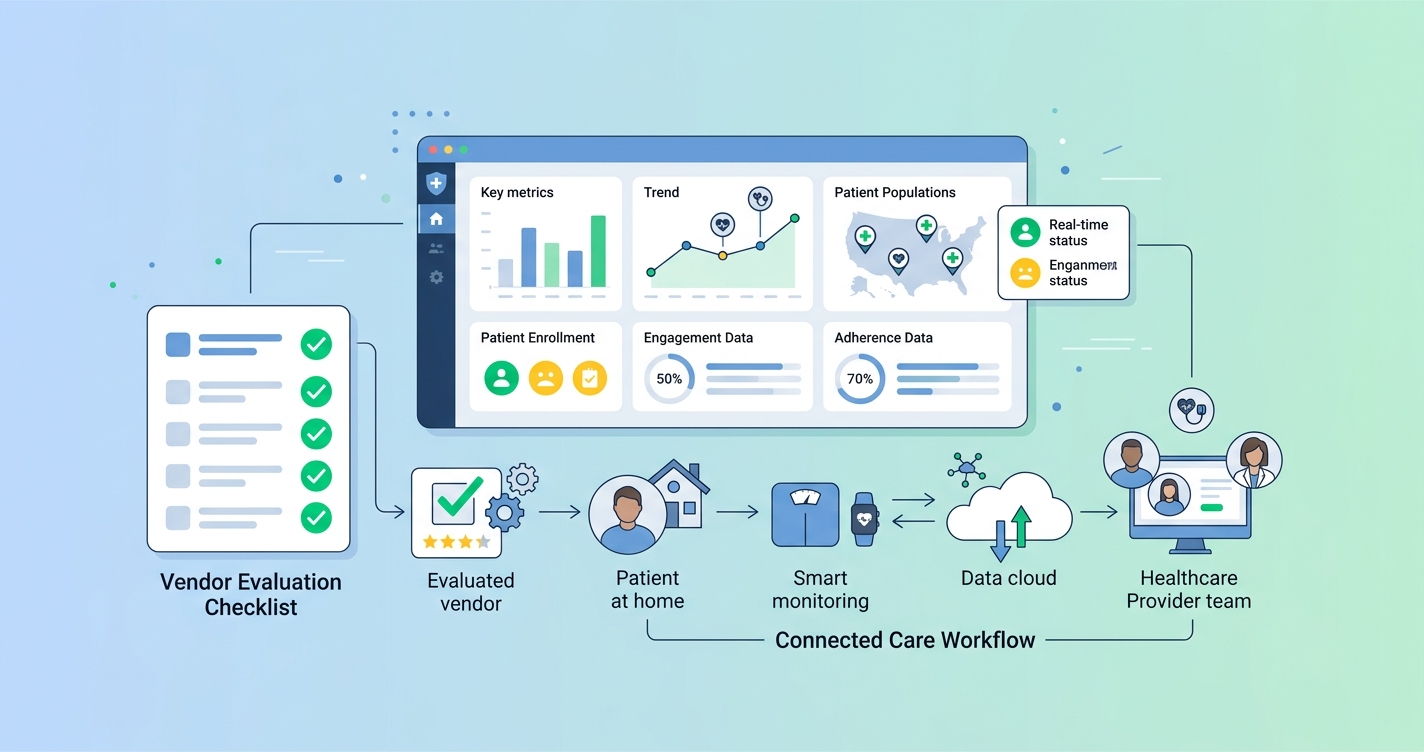
A research-based guide to population health VP RPM vendor evaluation, covering integration, adherence, staffing, reimbursement, and scale.

A clinician-focused explanation of passive patient monitoring and how no-touch RPM changes workflows, escalation, and home-based care operations.

Research-based analysis of RPM cardiac rehabilitation monitoring, including participation gaps, program design choices, and evidence on outcomes in home-based rehab.
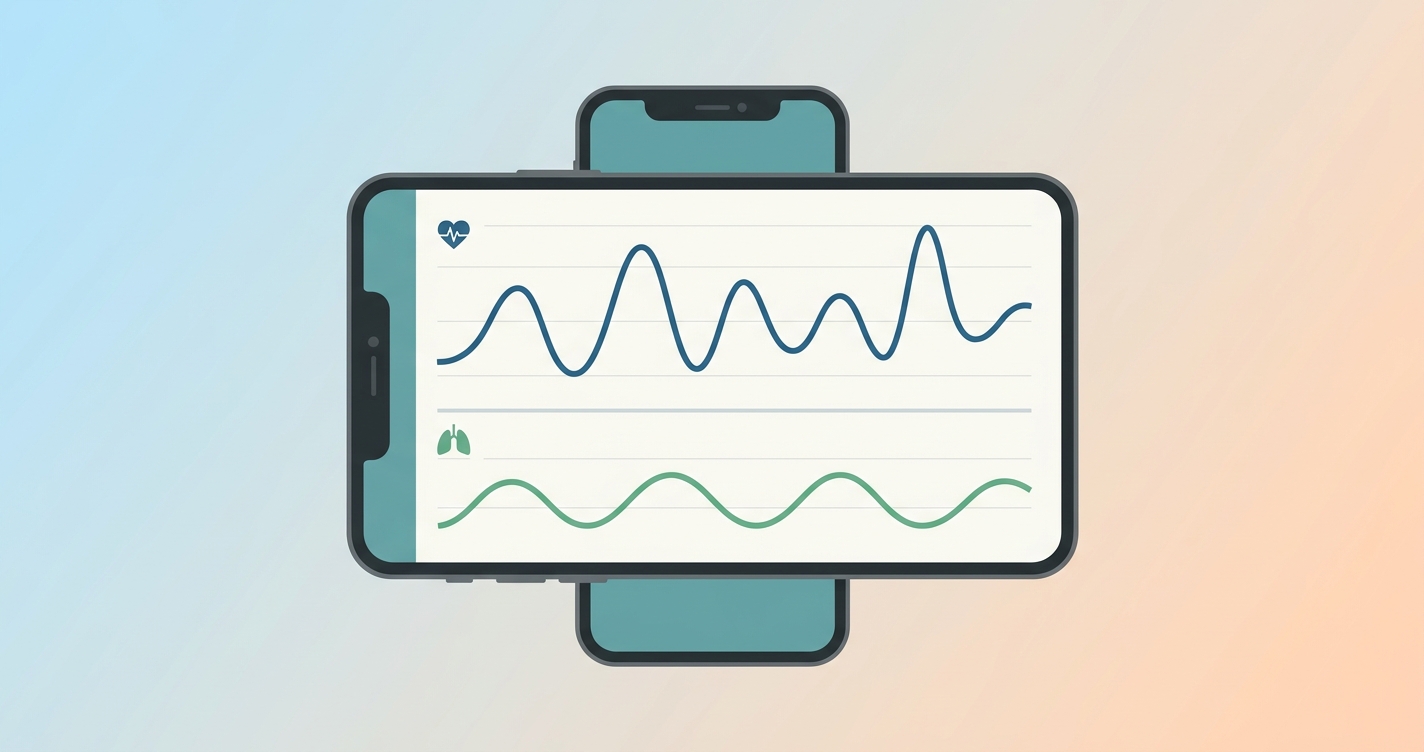
A deep dive into how your phone camera detects heartbeats through subtle skin color changes using photoplethysmography principles.