Is remote monitoring good enough to replace bedside nursing?
Explore the comparison between remote patient monitoring and traditional bedside nursing. Understand how technology is complementing, not replacing, essential healthcare roles.
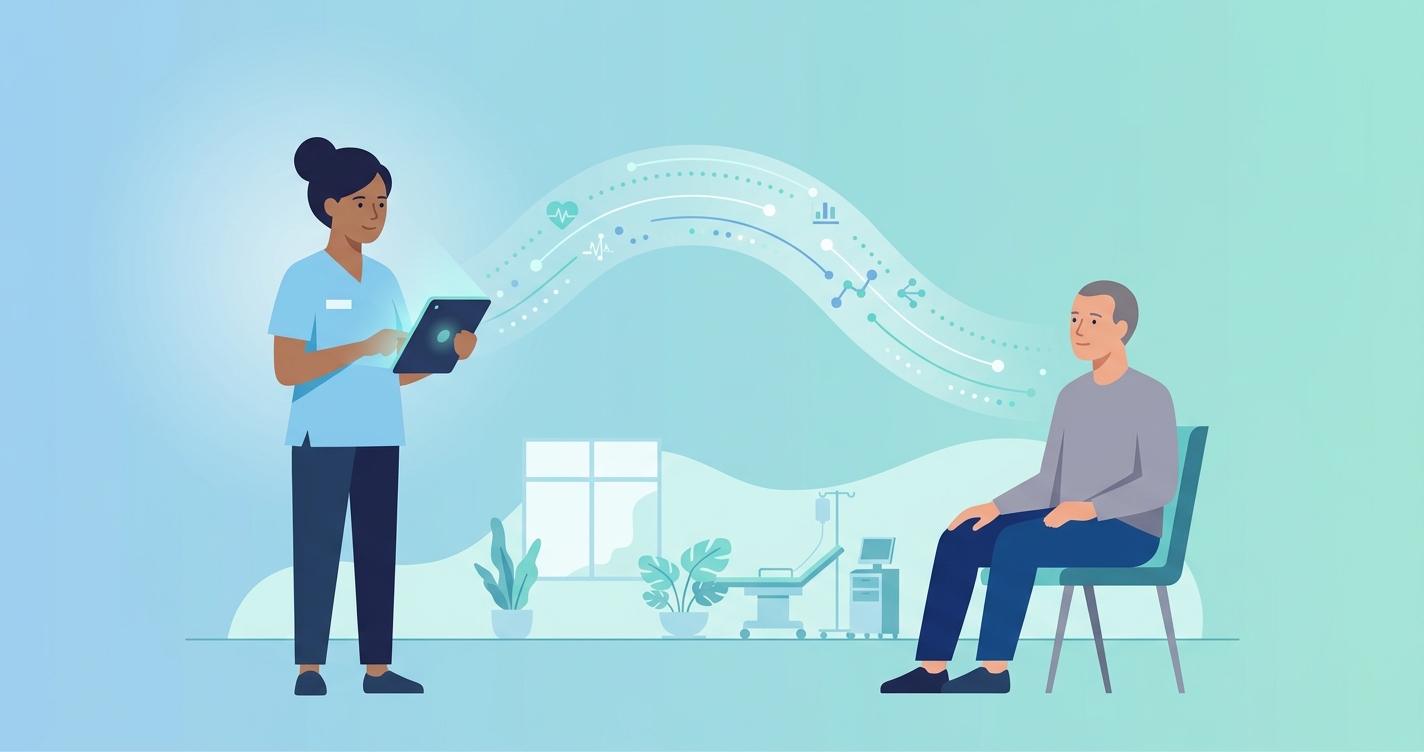
The question of whether technology can replace human experts is popping up in every industry, and healthcare is no exception. For families managing recovery after a hospital stay or dealing with a chronic illness, the idea of a "virtual" nurse can be both confusing and concerning. As health systems face staffing shortages and rising costs, they are increasingly turning to technology to extend the reach of their clinical teams. This has led many patients and caregivers to ask: is remote monitoring good enough to replace the bedside nurse? The short answer is no. The goal is not replacement, but collaboration.
"A 2022 study published in the journal Applied Nursing Research found that implementing a remote patient monitoring system increased the time nurses had available for direct patient care by 43.11% by reducing time spent on routine data collection and coordination."
Will remote monitoring replace the bedside nurse?
The idea that a remote monitoring system could remote monitoring replace bedside nurse is a fundamental misunderstanding of its purpose. The goal of remote patient monitoring (RPM) is to augment and support the work of nurses, not to make them obsolete. It is a tool that allows a small number of nurses to safely monitor a large number of patients in their own homes, freeing up bedside nurses to focus on the most critically ill patients within the hospital walls.
Bedside nursing involves a level of hands-on care, intuition, and human connection that technology cannot replicate. A nurse at the bedside can physically assess a patient, notice subtle changes in their condition that a monitor might miss, provide comfort, and build a therapeutic relationship. However, their time is often consumed by repetitive tasks like taking vital signs, which can be automated.
This is where RPM demonstrates its value. By automating the collection of vitals like heart rate, respiratory rate, and blood pressure, RPM provides a continuous stream of data to the clinical team. This data allows nurses to intervene proactively when a patient's condition begins to deteriorate, often before the patient even feels sick enough to call for help. Research shows that over 90% of patients report satisfaction with RPM, and it has been shown to reduce hospital readmissions significantly.
Feature comparison: bedside nursing vs. remote monitoring
| Feature | Bedside Nursing | Remote Patient Monitoring (RPM) | | :--- | :--- | :--- | | Data Collection | Manual, periodic checks by staff | Automated, often continuous data stream | | Patient Setting | In-hospital, acute care facility | At home, post-discharge, chronic care | | Clinician Interaction| Direct, physical, hands-on | Virtual, data-driven, tele-presence | | Primary Goal | Stabilize acute conditions, hands-on treatment | Proactive intervention, long-term stability | | Best For | Patients with high-acuity needs | Patients recovering at home or with chronic conditions | | Human Touch | High-touch, empathetic, physical comfort | Low-touch, relies on virtual communication tools |
The collaborative model
Rather than viewing it as a replacement, a more accurate model is collaboration. RPM and bedside nursing are two sides of the same coin, both aimed at providing the best possible patient care.
- Continuity of Care: RPM extends the care team's watch from the hospital into the home, creating a seamless transition and reducing the risks associated with discharge.
- Efficiency and Focus: Automating vitals collection allows bedside nurses to practice at the top of their license, focusing on complex tasks that require critical thinking and hands-on skills.
- Proactive Intervention: Continuous data from RPM systems can alert clinicians to negative trends in a patient's health, enabling early intervention that can prevent a costly and stressful hospital readmission.
- Patient Empowerment: For patients, using an RPM system can provide a sense of security and a deeper understanding of their own health, empowering them to become more active participants in their recovery.
Industry Applications
Virtual nursing support
Hospitals are implementing "virtual nursing" command centers where experienced RNs can support less-experienced bedside staff. These virtual nurses use RPM data and video calls to assist with patient admissions, discharges, and education, acting as a force multiplier for the in-person team. This approach was studied by researchers like Cynthia L. Russell in 2020, who noted the potential for telehealth to improve nursing workflow.
Post-discharge & chronic care
The most common use for RPM is monitoring patients after they leave the hospital. For conditions like congestive heart failure (CHF), COPD, or post-operative recovery, daily vital sign monitoring is crucial. A study led by S.C. Dendale (2012) for the European Society of Cardiology found that RPM was a cost-effective tool for managing chronic cardiovascular disease.
Current research and evidence
The evidence base for remote monitoring is growing rapidly. A quantitative study by Seung-Hee Lee and Ha-Yoon Choi (2022) provided the key statistic on nursing time savings, highlighting how RPM systems reduce the burden of non-direct care activities. Similarly, a 2016 study on bedside shift reports by Sallie Sherman and colleagues showed how structured communication (a pillar of good nursing) significantly improves patient satisfaction and reduces safety events like falls.
These findings do not position the two models against each other. Instead, they show that technology-driven data collection (RPM) and process improvements (bedside reporting) both contribute to better outcomes. The key is using technology to handle rote tasks, which in turn creates more time for the high-value, human-centric work that defines great nursing.
The future of collaborative care
The future does not involve a choice between a human nurse and a machine. It involves a hybrid model where technology and the human touch are seamlessly integrated. As camera-based and "contactless" RPM platforms become more common, the friction of using devices will disappear, making data collection even more passive and reliable. This will allow nurses to have more informed, productive conversations with patients, focusing on goals, education, and wellbeing rather than just data points. The goal is to build a system where the remote monitoring replace bedside nurse question becomes irrelevant because the two are so deeply intertwined in delivering superior care.
Frequently asked questions
Q: Can remote monitoring detect all health problems? A: No. Remote monitoring is designed to track specific vital signs and trends that are relevant to a patient's condition. It is a powerful tool for early detection but does not replace a doctor's diagnosis or a comprehensive physical exam.
Q: Who is watching the data from the remote monitoring device? A: A dedicated team of trained nurses and healthcare professionals at a hospital or a third-party monitoring center. They review the data, and alerts are triggered if any readings fall outside of preset parameters, prompting a clinician to follow up with the patient.
Q: Is my personal health data secure with remote monitoring? A: Yes. Reputable remote monitoring platforms are HIPAA-compliant and use robust encryption and security protocols to protect patient data, just like any other digital system used in healthcare.
As a leader in developing patient-centric monitoring technologies, Circadify is actively working to address these challenges. Our solutions are designed to support clinical teams and make home-based care more accessible and effective. To see how camera-based RPM is improving efficiency without compromising care quality, learn more about our RPM pilot program.