Should I be worried my hospital is watching me at home?
A detailed look into how hospitals monitor patients at home, the privacy risks involved, and the regulations in place to protect your health information.
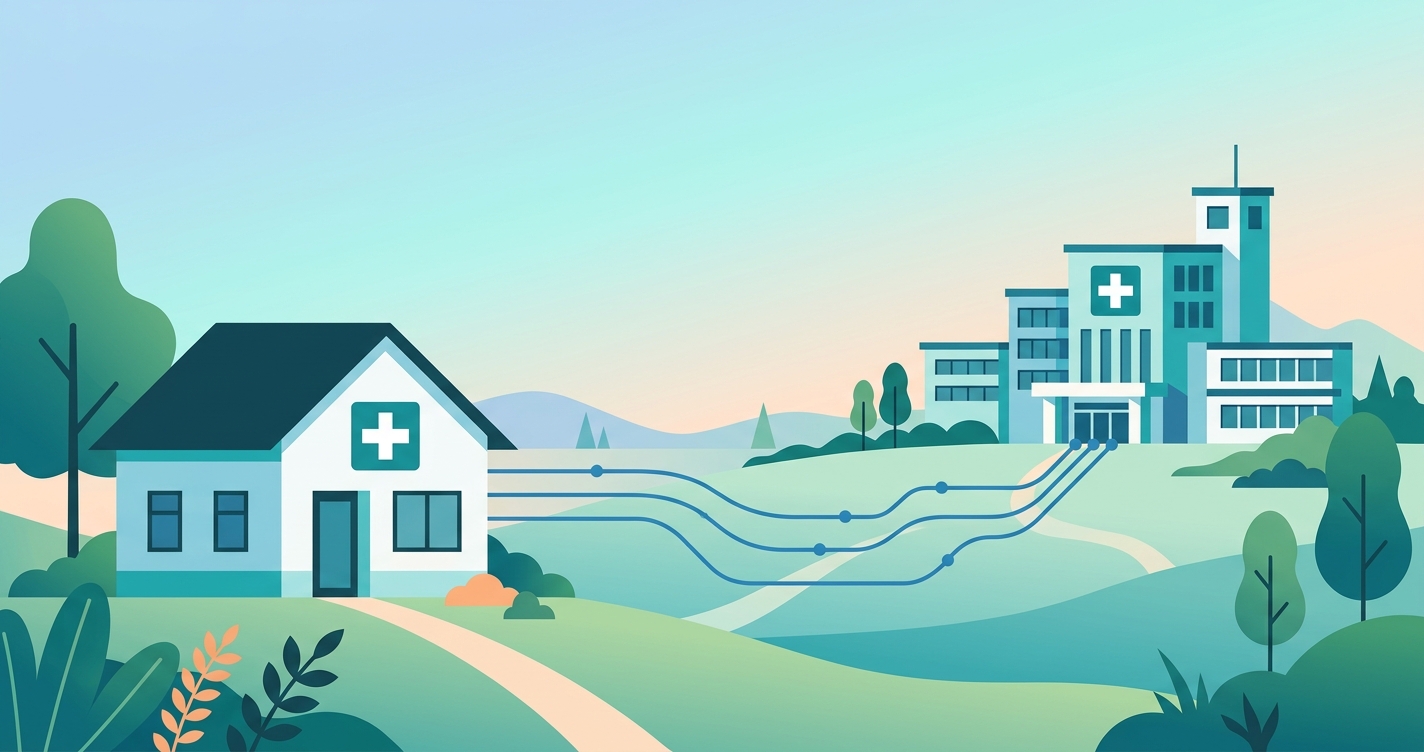
If you've recently been discharged from a hospital, the idea that your care team is still "watching" you at home can be both reassuring and unsettling. This practice, formally known as Remote Patient Monitoring (RPM), is becoming a standard part of post-discharge care for many health systems. It allows providers to track vital signs and other health data from a distance, aiming to catch complications early and prevent readmissions. But it also raises a critical question for patients and their families: what does this mean for your privacy? Understanding the technology, the data, and the laws governing it is the first step toward easing concerns about hospital watching at home privacy.
A systematic review published in the Journal of Medical Internet Research in 2023 by researchers from the University of California, Irvine found that while patients appreciate the health benefits of RPM, they also have significant concerns about the privacy and security of their health data.
Understanding "hospital watching at home" and your privacy
The phrase "hospital watching at home" can sound intrusive, but it's more about data than it is about surveillance. These programs use specific medical devices, from blood pressure cuffs and scales to more advanced camera-based systems, to collect health information. This data is then sent back to your clinical team for review. The goal is not to spy on your daily life but to continue a high level of care outside the hospital walls.
The primary regulation protecting your data is the Health Insurance Portability and Accountability Act (HIPAA). This federal law sets strict standards for how your Protected Health Information (PHI) can be collected, used, and shared. Any hospital or technology partner involved in your remote monitoring program must be HIPAA-compliant. This involves multiple layers of security, including data encryption, access controls, and legally binding agreements with all vendors.
| Monitoring Method | Data Collected | Privacy & Security Considerations | | :--- | :--- | :--- | | Wearable Sensors (e.g., smartwatches) | Heart rate, activity levels, sleep patterns | Data is often sent to consumer-grade apps before reaching the hospital, creating potential security gaps. Requires patient to wear and charge the device consistently. | | Bluetooth-Connected Devices | Blood pressure, weight, blood glucose | Relies on a stable connection to a smartphone or hub. Data is encrypted in transit, but the patient's own phone security is a factor. | | Manual Data Entry Apps | Patient-reported symptoms, medication adherence | Relies on patient accuracy and diligence. The primary risk is user error rather than a technical breach. | | Contactless Camera-Based Monitoring | Heart rate, respiratory rate, blood pressure (from facial scan) | Uses a smartphone camera for a brief scan. The system analyzes pixels for subtle changes in skin color to measure vitals; it does not store images or videos, only the resulting data points. This minimizes privacy risks as no identifiable images are kept. |
How hospitals use remote monitoring technology
Hospitals and health systems are adopting RPM for a variety of patient populations and clinical needs. The technology allows them to extend care beyond the traditional inpatient setting, which can be particularly beneficial for managing chronic conditions and supporting post-surgical recovery.
Post-Discharge Monitoring
After a hospital stay, particularly for conditions like heart failure, COPD, or major surgery, your care team needs to know if your condition is stable. Instead of relying solely on a follow-up appointment weeks later, RPM allows them to see daily trends in your vital signs.
- Weight monitoring for heart failure patients can detect fluid retention early.
- Blood pressure tracking after a cardiac event helps ensure medications are effective.
- Respiratory rate monitoring can provide early warnings of a COPD exacerbation.
Chronic care management
For patients with long-term conditions, RPM provides a continuous connection to their care team, helping to manage the disease proactively rather than reactively.
- Diabetes: Daily blood glucose readings are sent to an endocrinology team.
- Hypertension: Regular blood pressure measurements help fine-tune treatment plans.
- Asthma: Smart inhalers can track usage and environmental triggers.
Hospital-at-Home Programs
This is an emerging model where patients receive acute-level care in their homes. These programs rely heavily on a combination of in-person visits from nurses and continuous virtual monitoring to ensure patient safety and deliver hospital-level outcomes.
Current research and evidence
The conversation around hospital watching at home privacy is a major focus of academic and industry research. A 2022 survey by the American Medical Association found that while a majority of patients are comfortable with RPM, they expect transparency about how their data is used and protected. Trust in the healthcare provider was a key factor influencing patient willingness to participate.
Researchers at institutions like the Mayo Clinic have published numerous studies (2020-2024) on the clinical effectiveness of RPM, showing significant reductions in hospital readmissions and emergency room visits for monitored patients. These studies consistently emphasize that patient education and clear communication are fundamental to a successful program. When patients understand what is being monitored and why, adherence and satisfaction increase dramatically.
The future of at-home patient monitoring
The technology behind remote patient monitoring is advancing rapidly. The trend is moving away from cumbersome devices and toward more passive, "no-touch" solutions. Camera-based technology, which can measure vital signs like heart rate and respiratory rate from a simple video scan of a person's face, represents the next frontier. This approach has the potential to improve the patient experience by removing the need for wearable sensors or manual data entry.
As these technologies evolve, so will the security protocols that protect them. The industry is focused on developing even more robust encryption standards and data governance frameworks to ensure that patient privacy remains the top priority. Future systems will likely incorporate more advanced, AI-driven analytics to spot trends while further de-identifying the data to protect individuals.
Frequently asked questions
Q: Can the hospital see or hear me through these devices? A: Generally, no. Most remote monitoring devices are designed only to collect specific medical data points (like a number for blood pressure). Even with camera-based systems, the software is designed to analyze pixel data for vital signs and immediately discard the video feed. It does not record or transmit images or audio. Always ask your provider for specifics on the technology they use.
Q: Who has access to my data? A: Access to your data is strictly controlled under HIPAA rules. Only authorized members of your care team (doctors, nurses, case managers) who are directly involved in your treatment can view your information. The technology vendors that support the hospital's program can access the system for maintenance but are legally prohibited from viewing patient-identifiable data without a specific, permitted reason.
Q: What happens if I don't want to be monitored? A: Patient participation in RPM programs is voluntary. You have the right to refuse monitoring. Your clinical team should explain the benefits and any potential risks of opting out, but the final decision is yours. It's important to have an open conversation with your doctor about any concerns you have.
As healthcare continues to evolve, remote monitoring will become an even more integrated part of the care continuum. Circadify is at the forefront of developing secure, patient-friendly technologies that address this space, helping health systems deliver better care by making it easier for patients to participate. To learn more about how hospitals are implementing these programs, visit our RPM pilot program page.